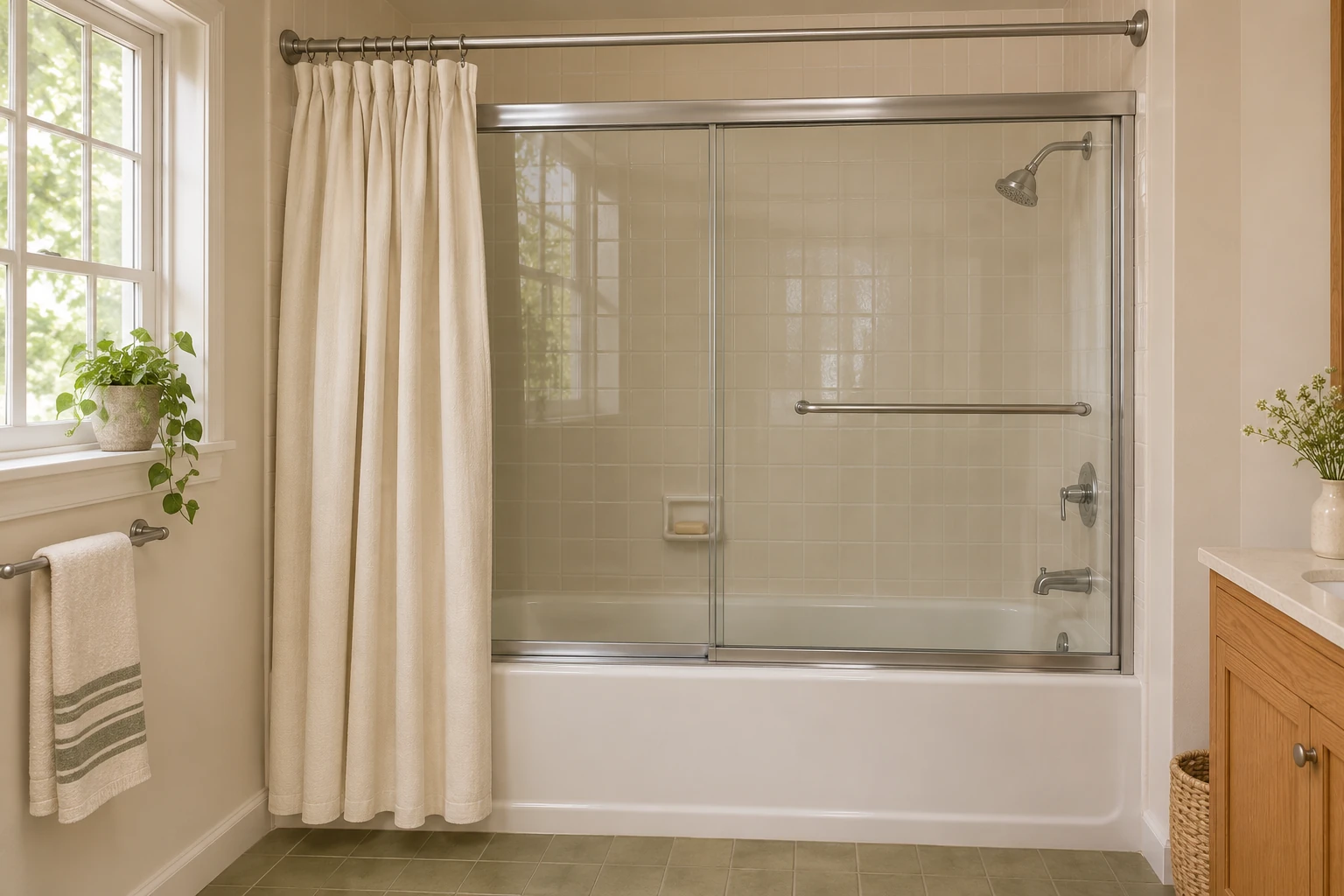
A Shower Curtain over Glass Doors: When Adding One Makes Sense
LayoutThinking of adding a shower curtain over glass doors? Compare privacy, door movement, curtain parking and cleaning before adding the extra layer.
The notebook
Browse by room or start with a problem. Find ideas that work with what you already have.
Browse by room
Thinking of adding a shower curtain over glass doors? Compare privacy, door movement, curtain parking and cleaning before adding the extra layer.
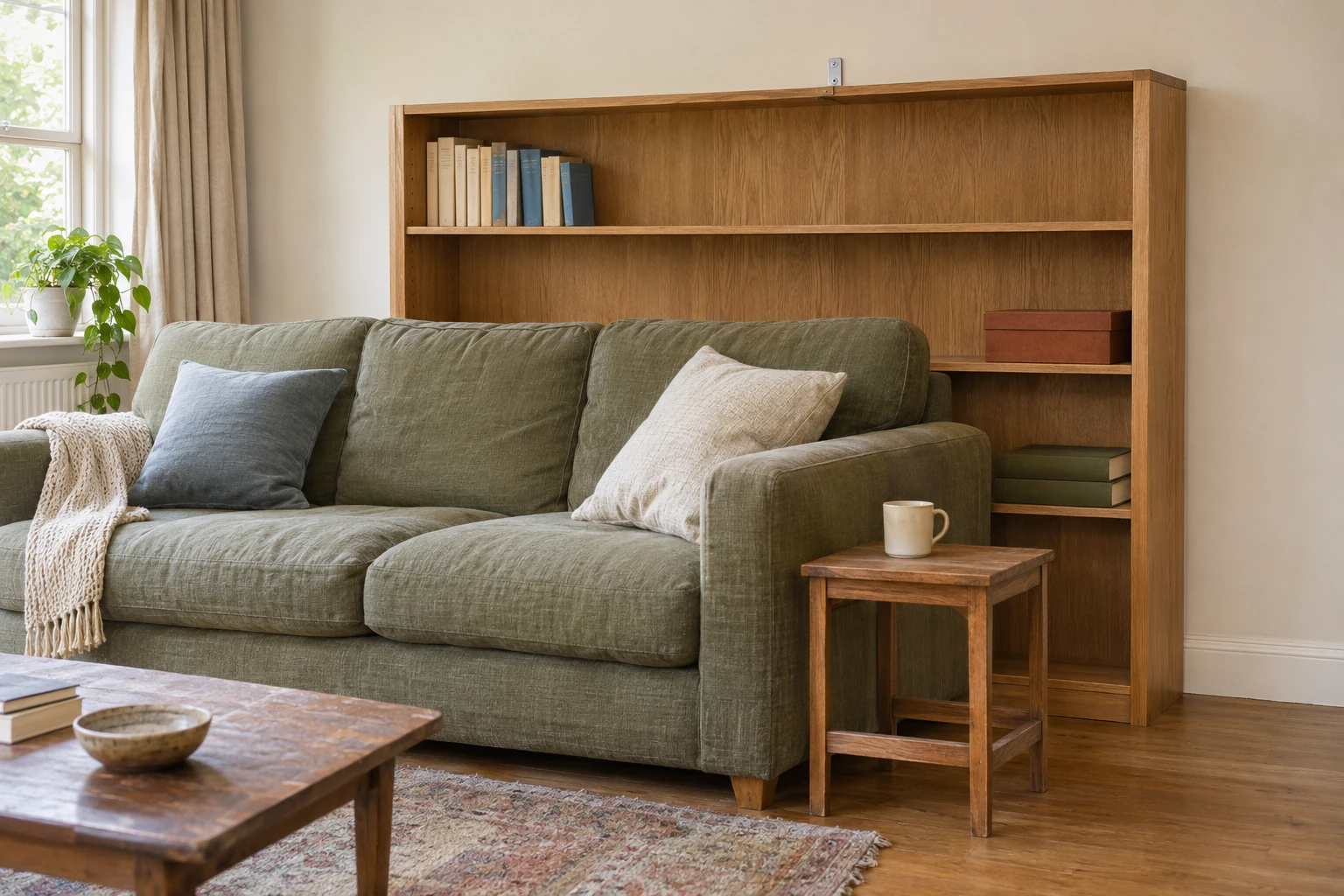
A bookcase behind a sofa can add storage or make it harder to use. Compare shelf access, room depth and alternatives before moving or buying furniture.
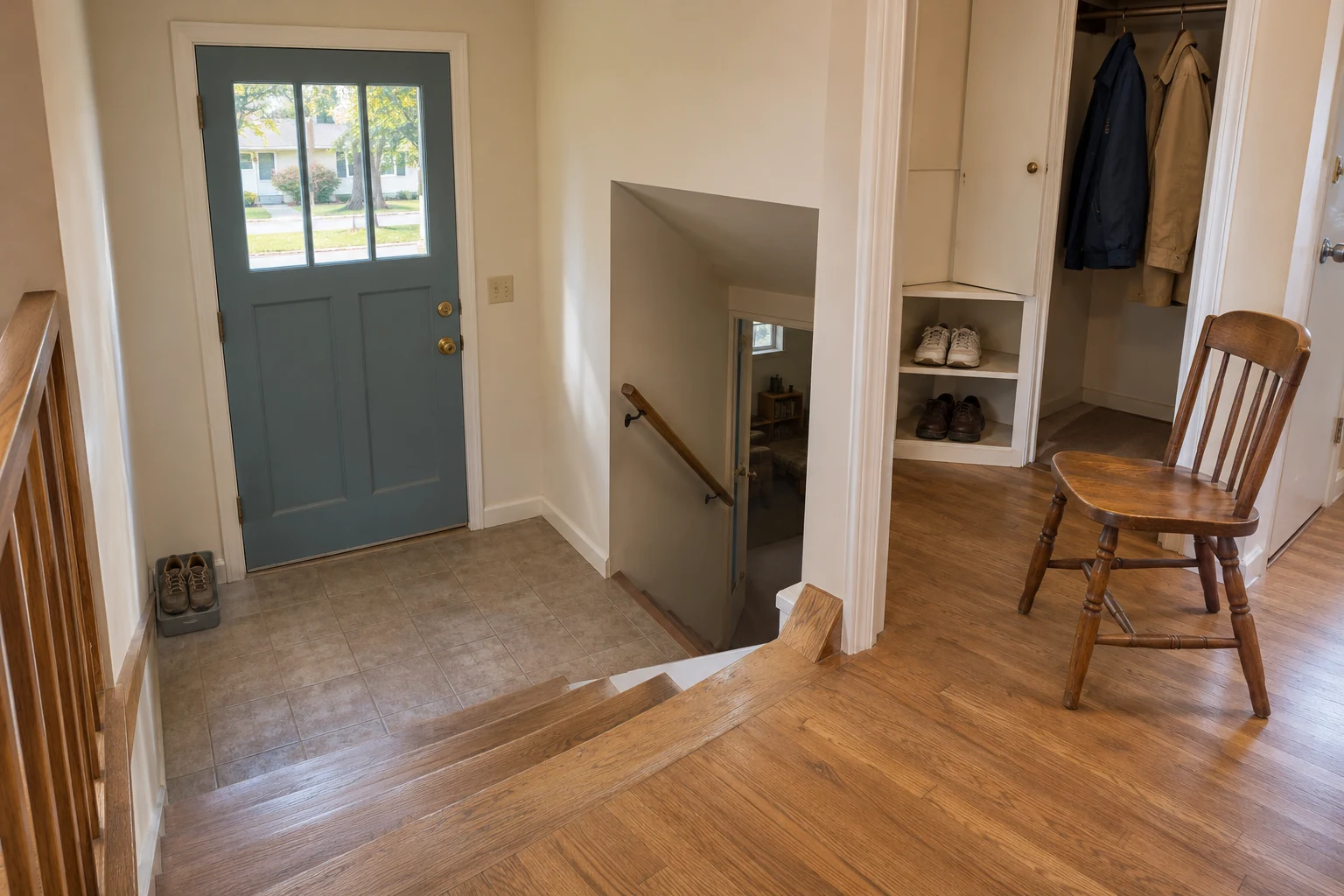
Plan storage around a split-level entry's small landing. Decide what stays by the door and what moves upstairs or downstairs without crowding the stairs.
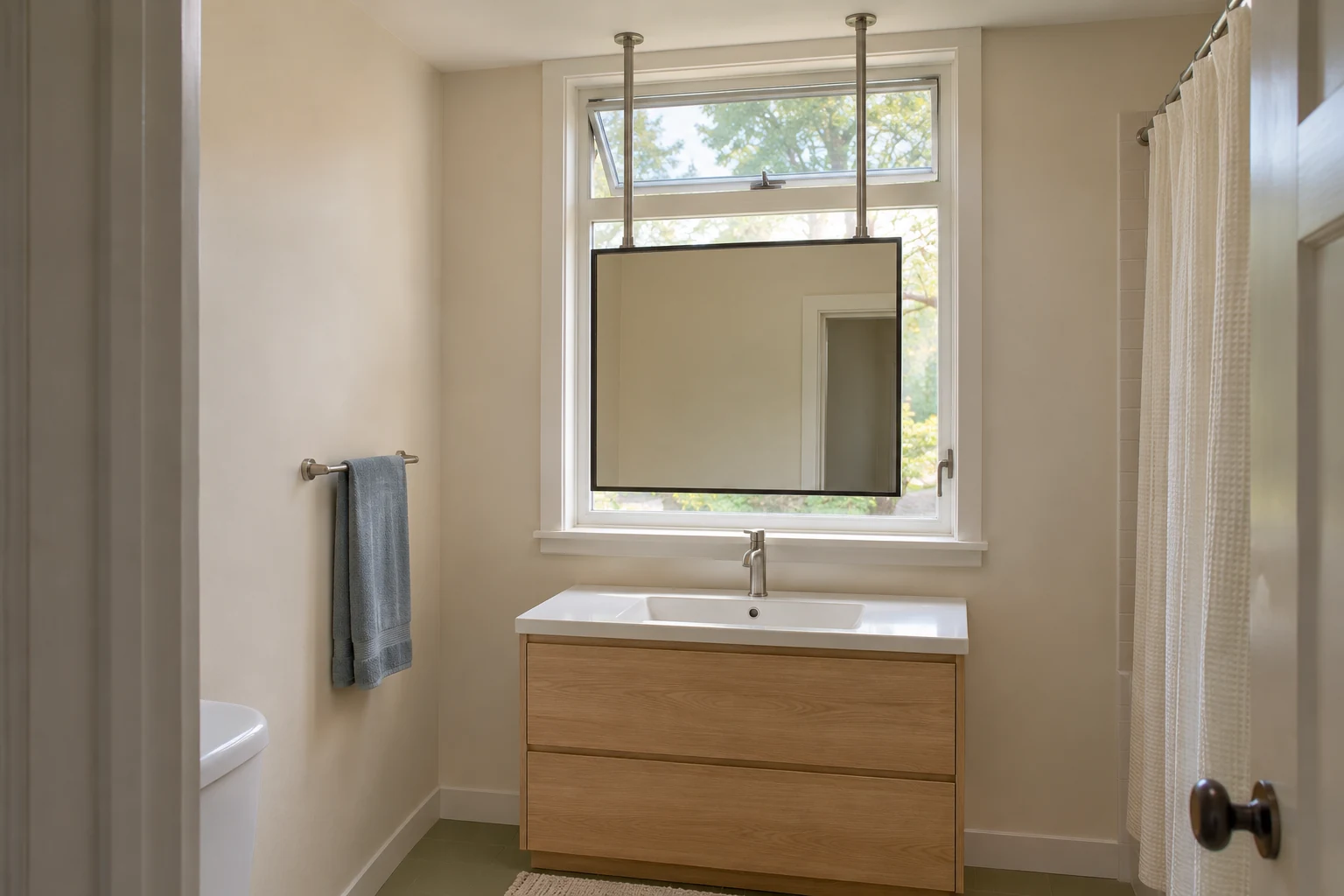
Choose a bathroom mirror position when a window sits above the sink, comparing useful reflection, standing space, movement and window access.
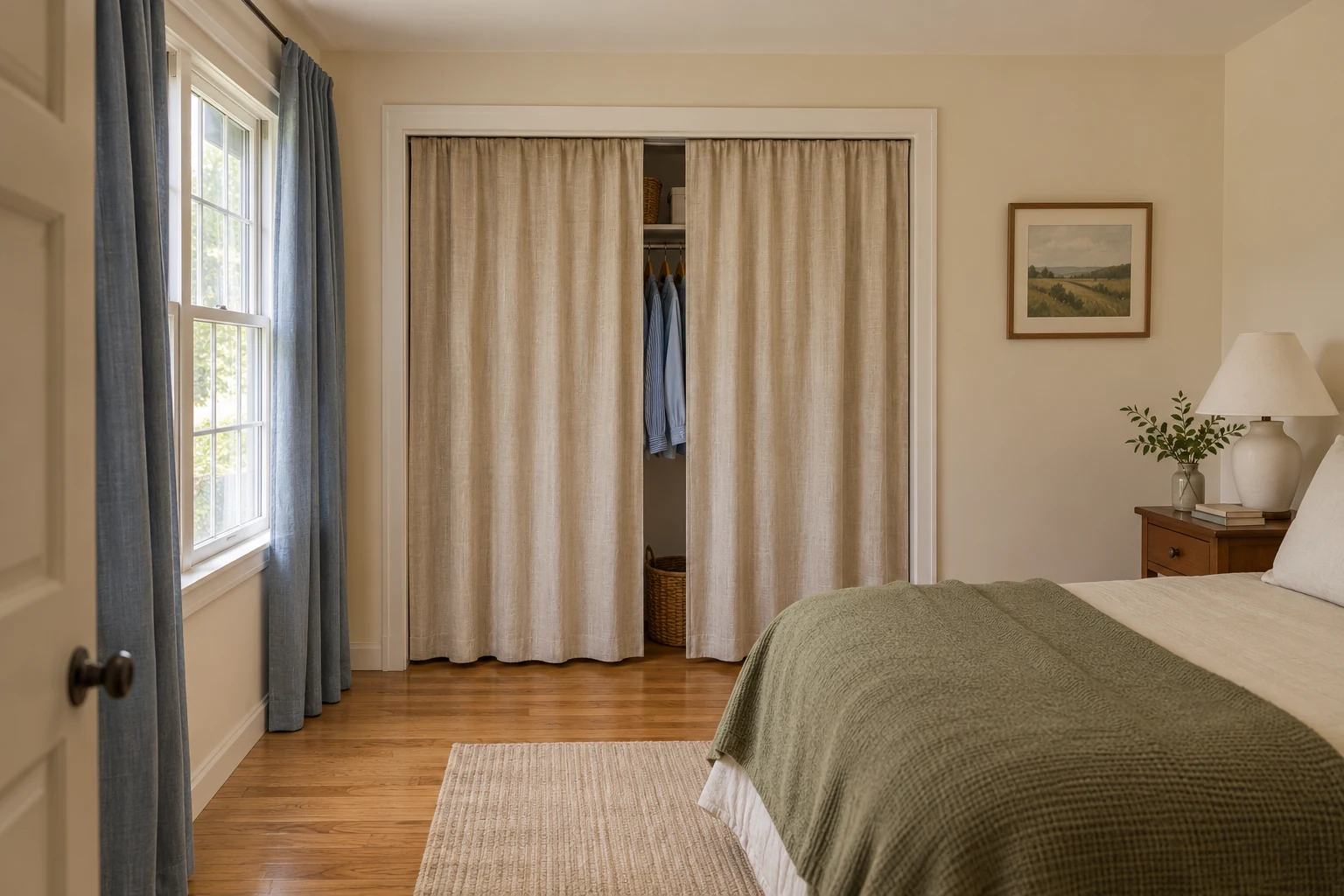
Considering curtains instead of closet doors? Compare access, appearance, fabric clearance and what to do with the doors before making the swap.
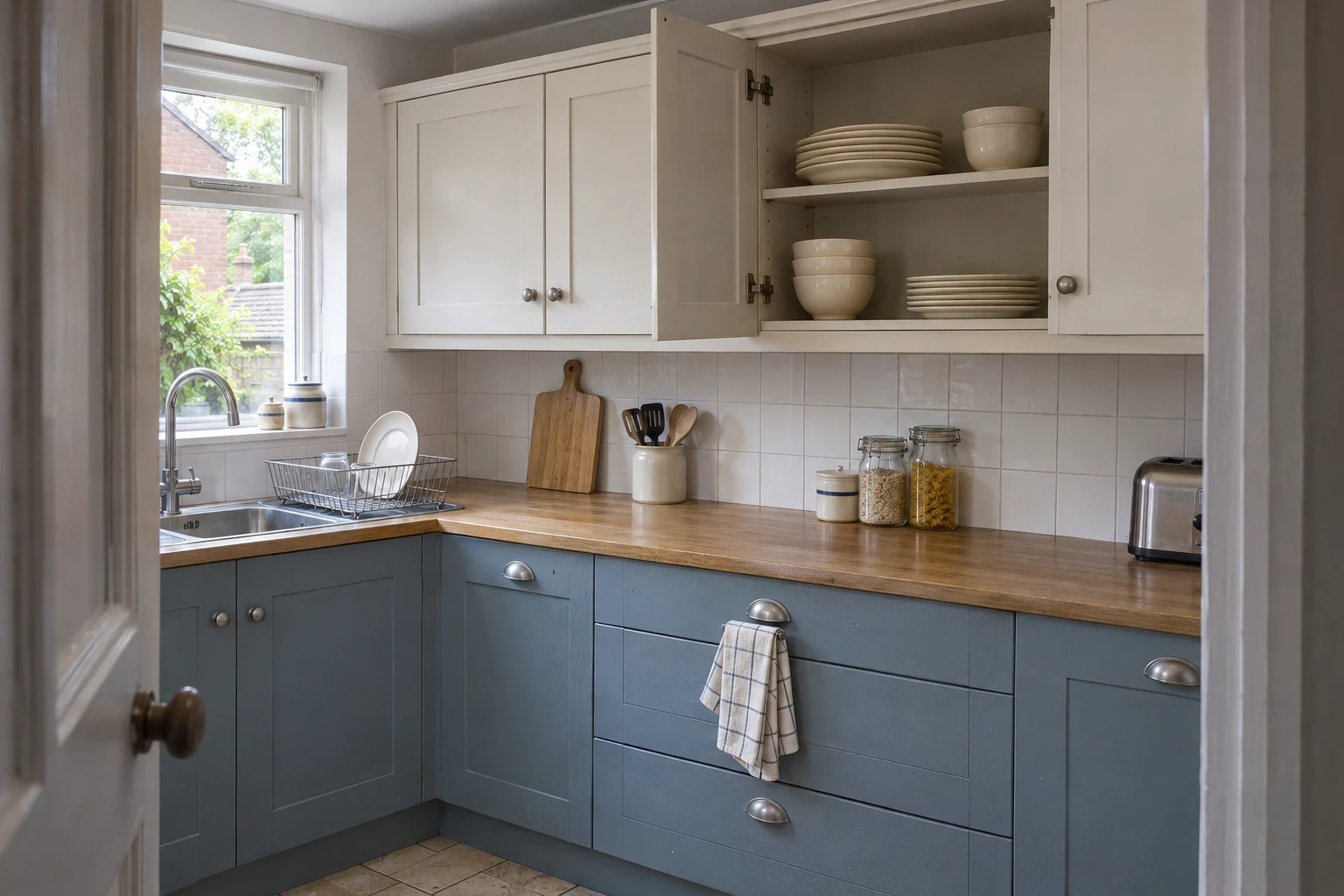
Make high kitchen cabinets easier to use by checking shelf height, counter depth and blocked access, then choosing storage changes that fit your kitchen.
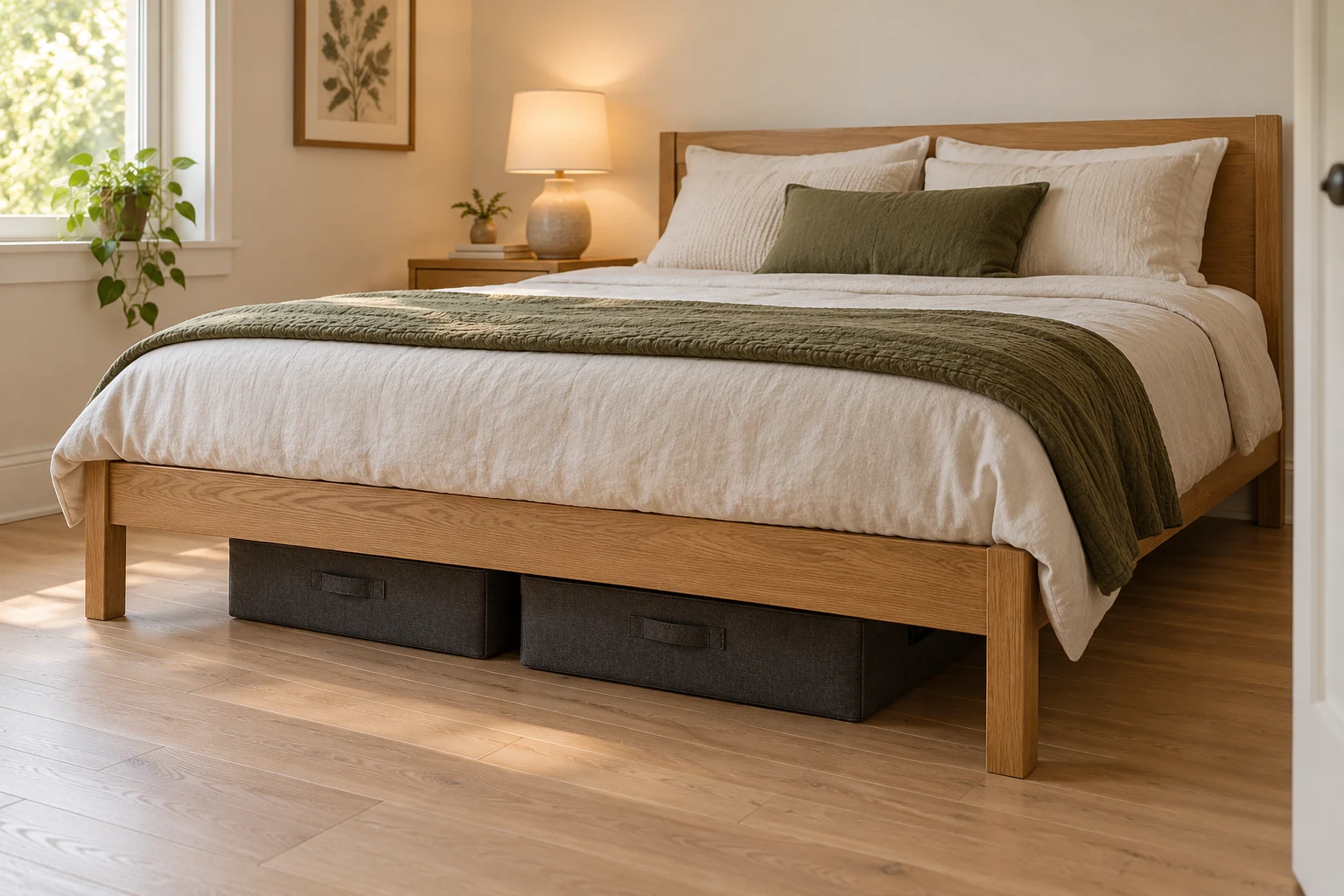
Compare ways to conceal under-bed storage while keeping your existing frame, required belongings and usable access.
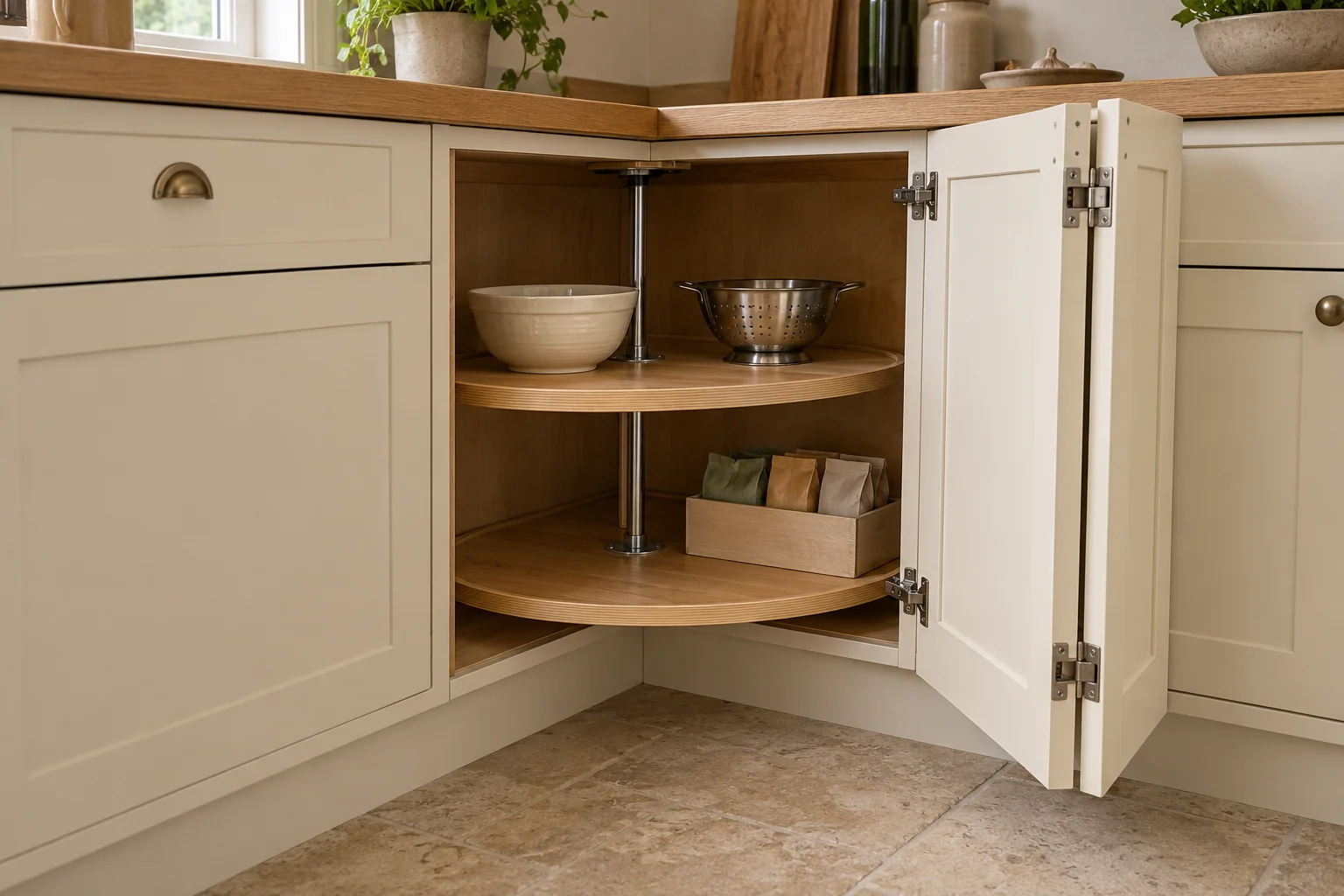
Choose what belongs in your lazy Susan cabinet by checking the opening, rotation and retrieval before adding bins or rearranging the kitchen.
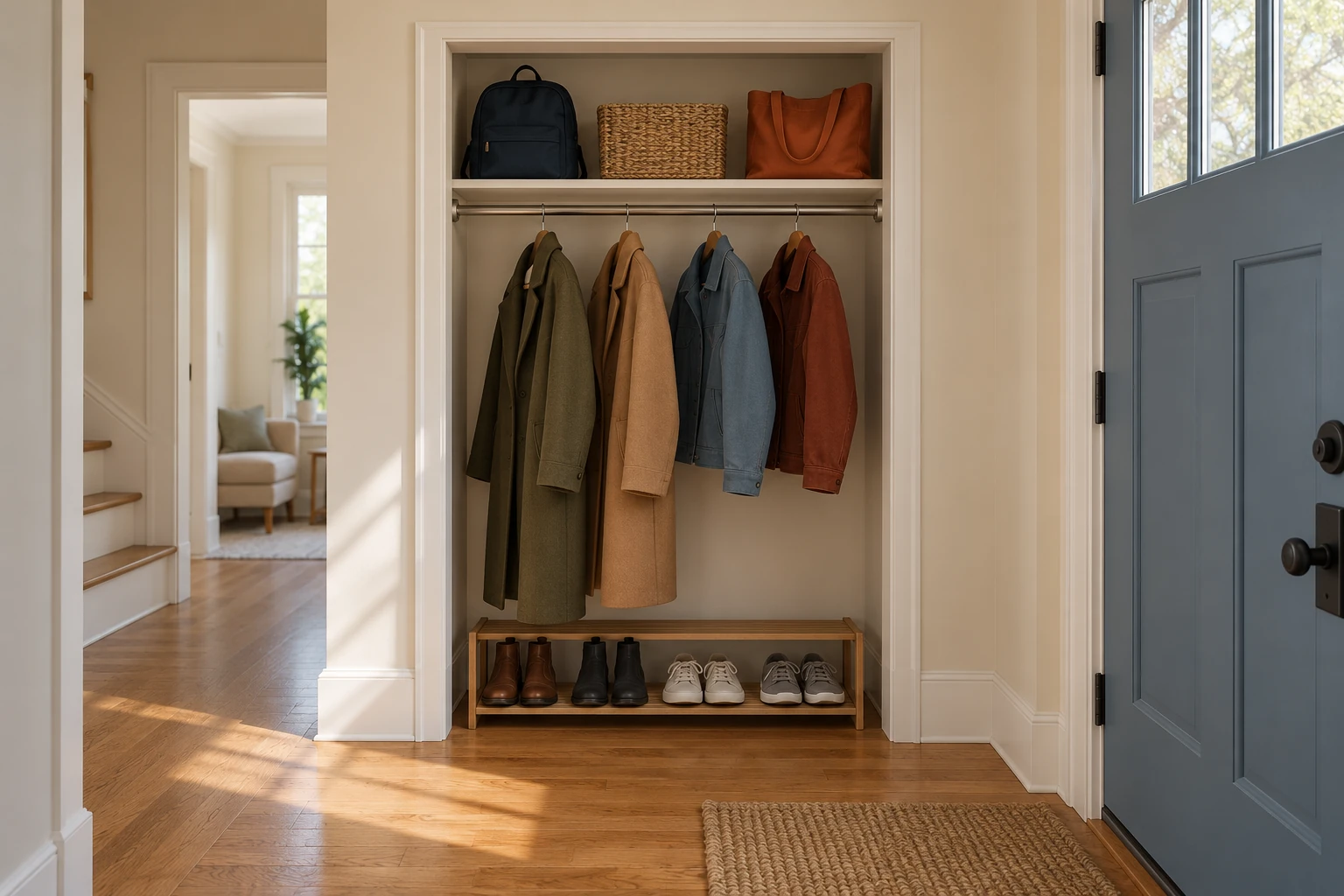
Before converting a coat closet to a mudroom, compare keeping the closet, improving access, and adding a bench with room for the coats and shoes you need.
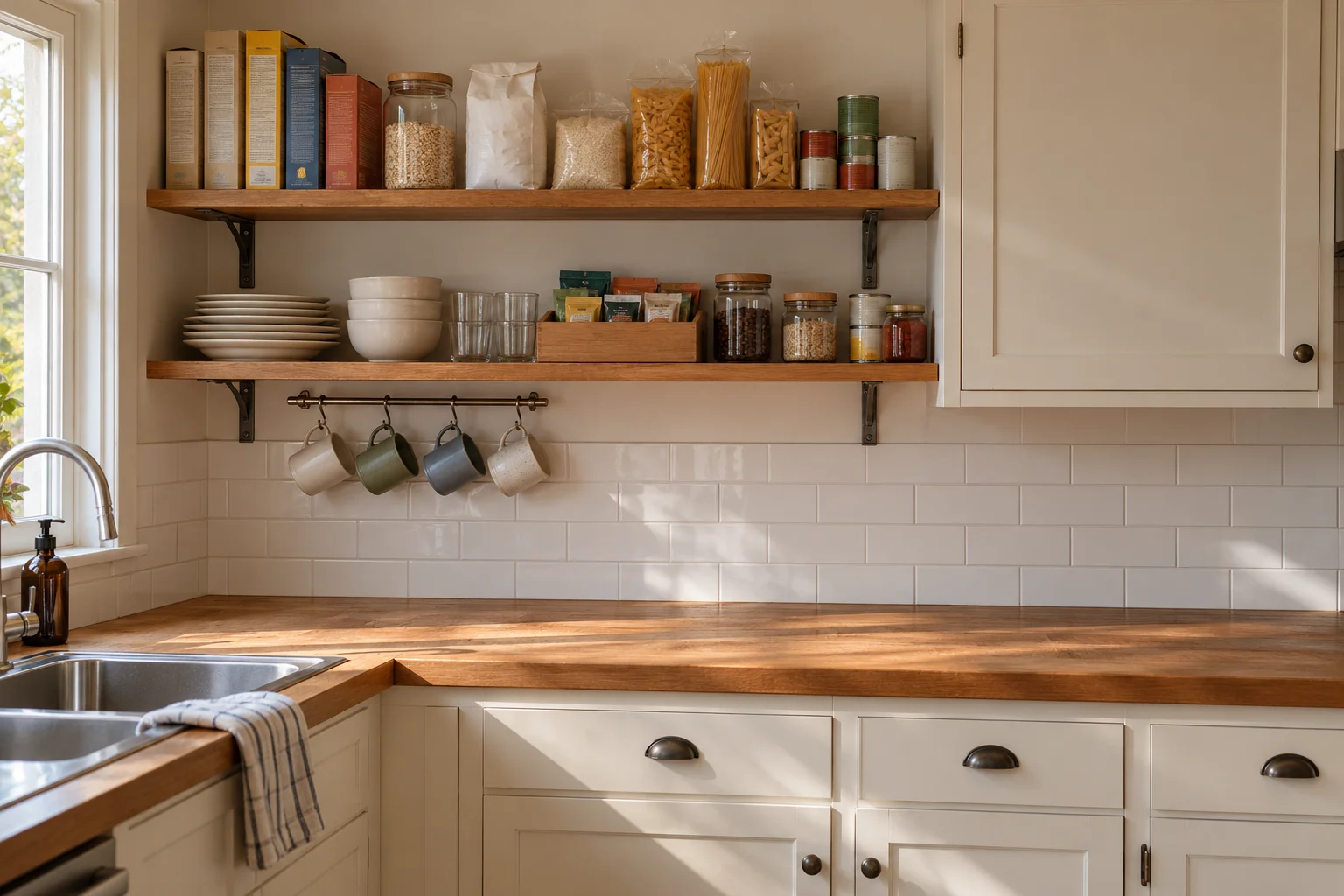
Organize open kitchen shelves around the food and dishes you actually use. Compare what stays visible, what fits behind doors, and what makes cooking easier.
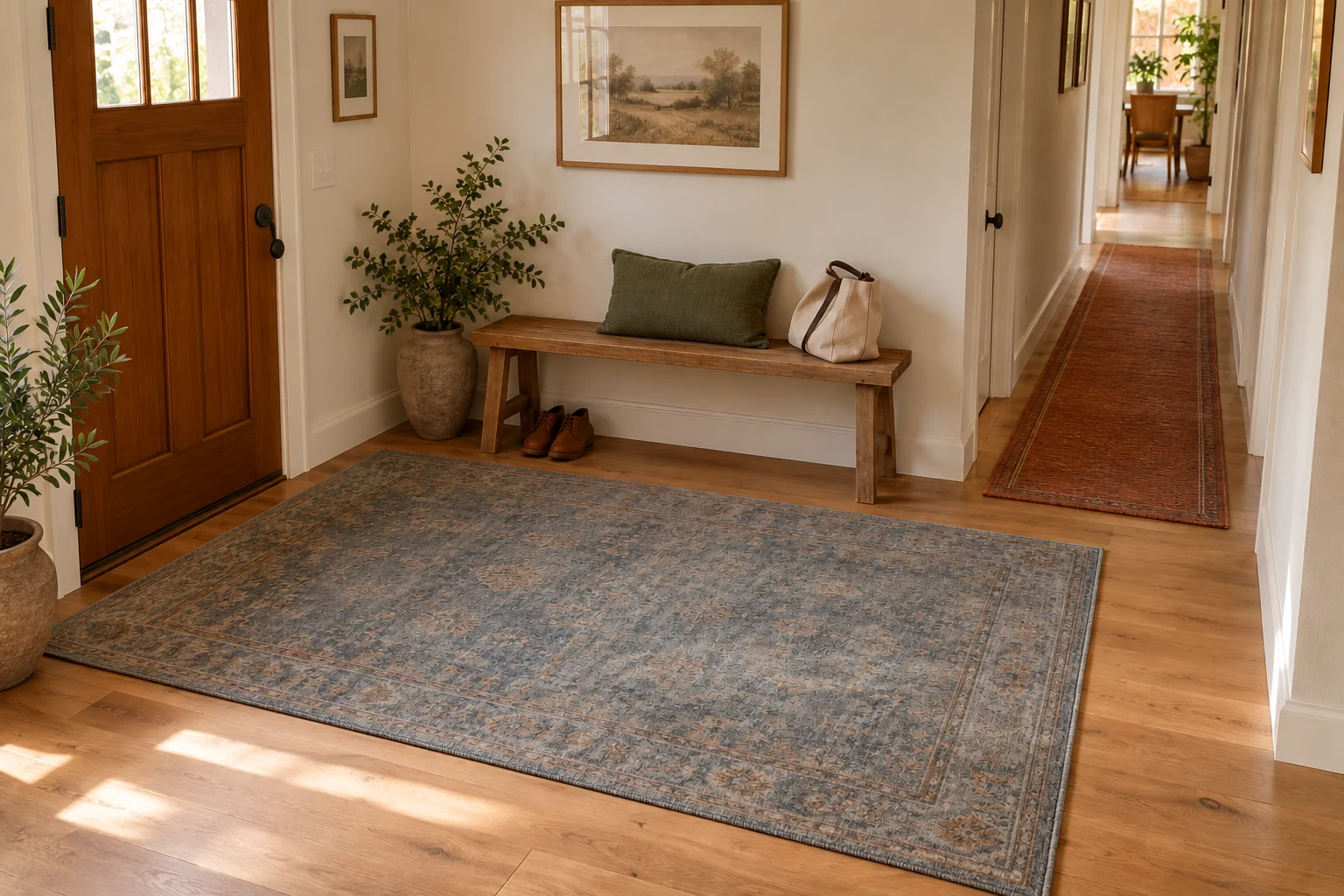
Compare one rug, a landing mat plus runner, and a mat alone to find an entryway layout that fits your door, shoe-changing spot, and walking route.
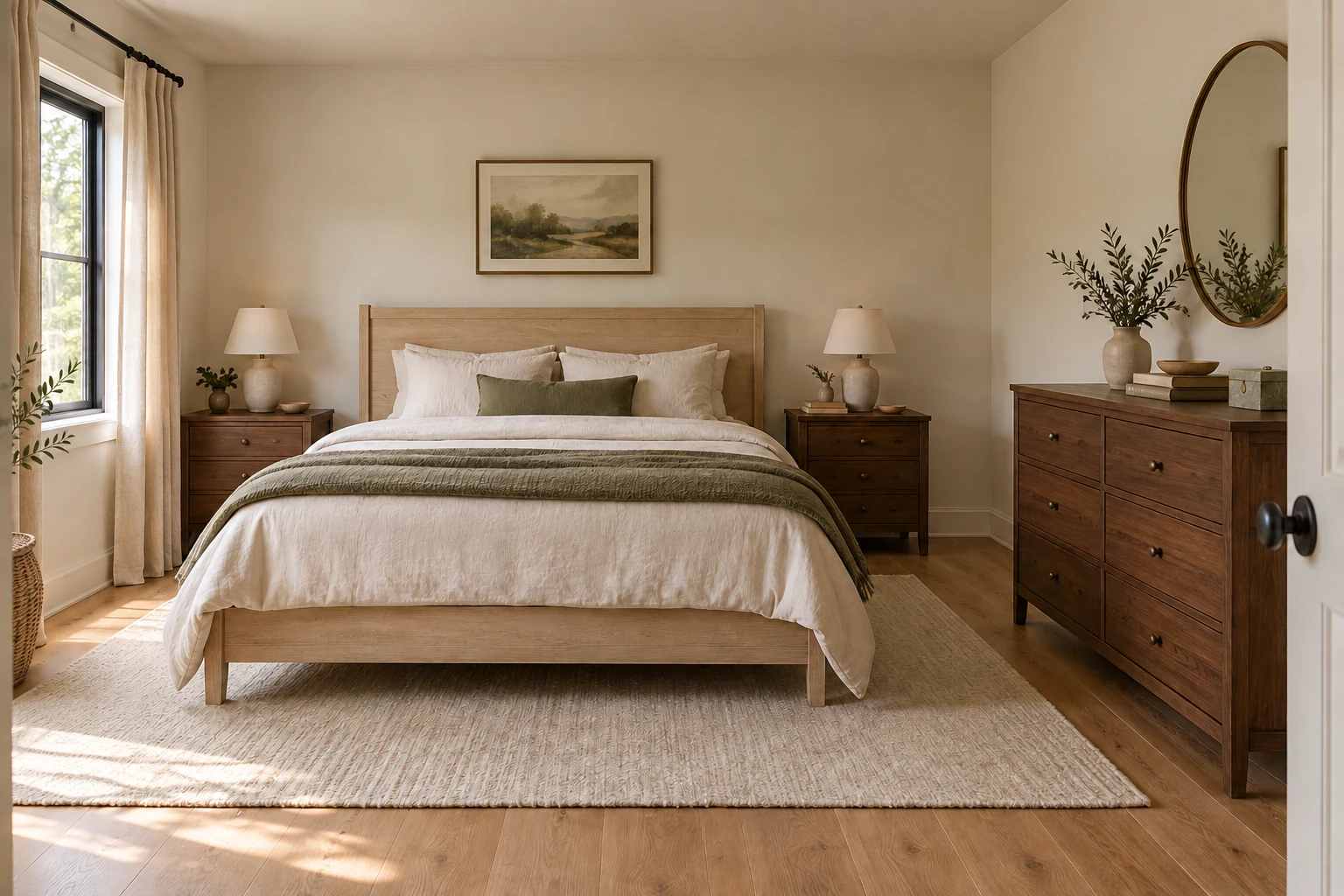
Mix wood tones around the bedroom furniture you’re keeping. Compare repeating an existing finish, adding contrast and using textiles before buying another piece.
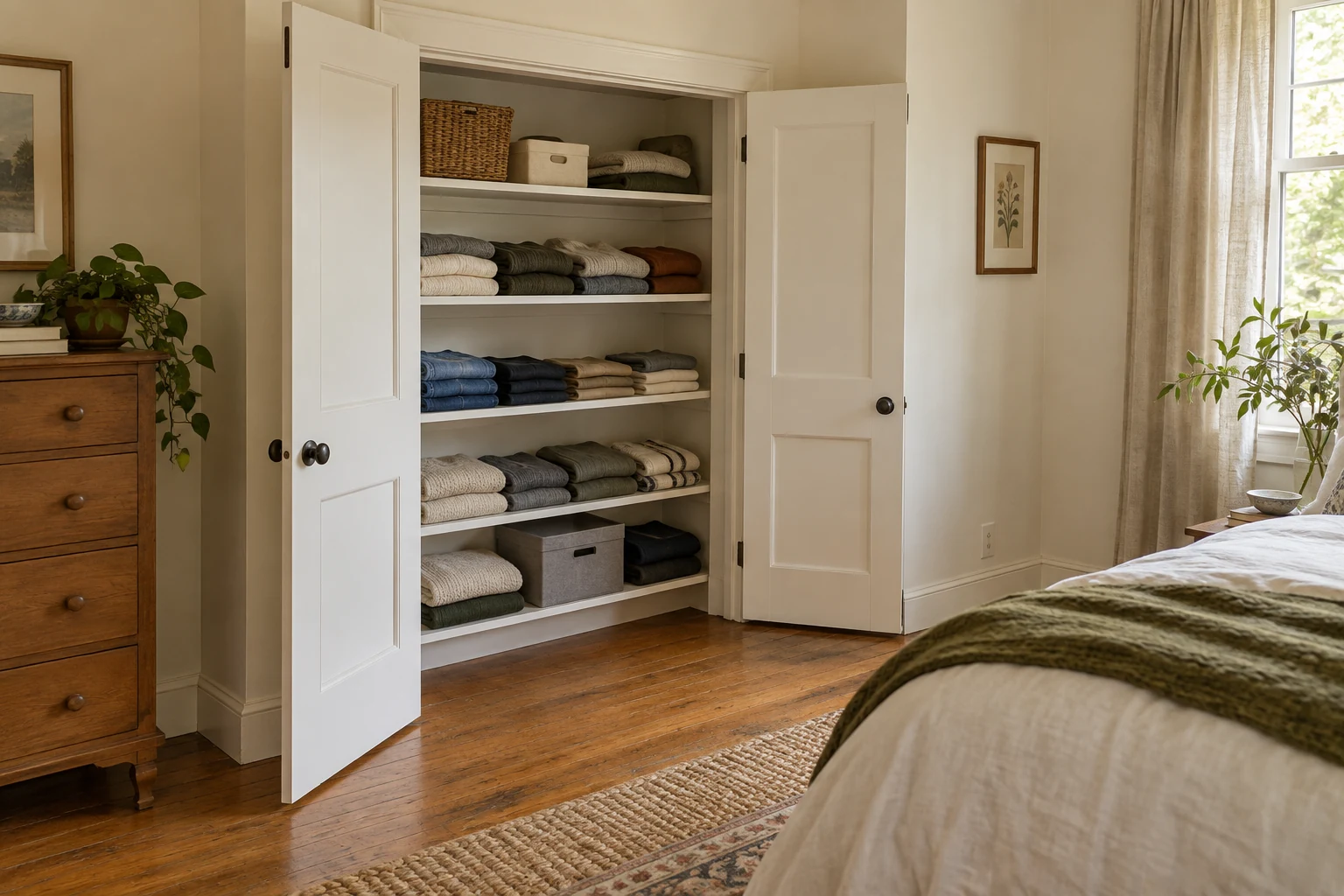
Make a shallow bedroom closet work for daily clothes. Compare front-facing hanging and folded storage, checking door clearance and access before buying.
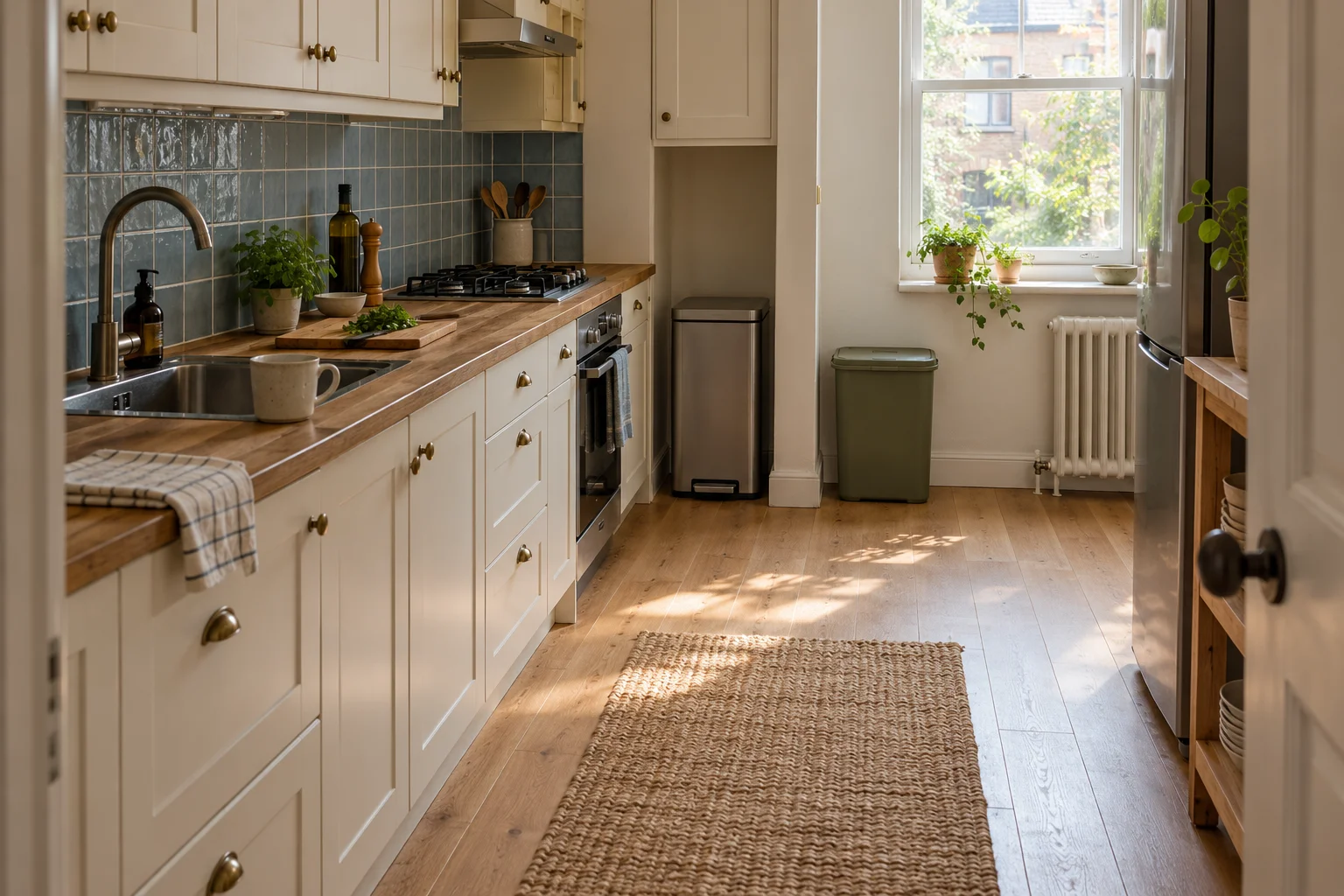
Compare separate, divided and vertical bins for a small kitchen, with room for opening lids, removing liners and keeping everyday routes clear.
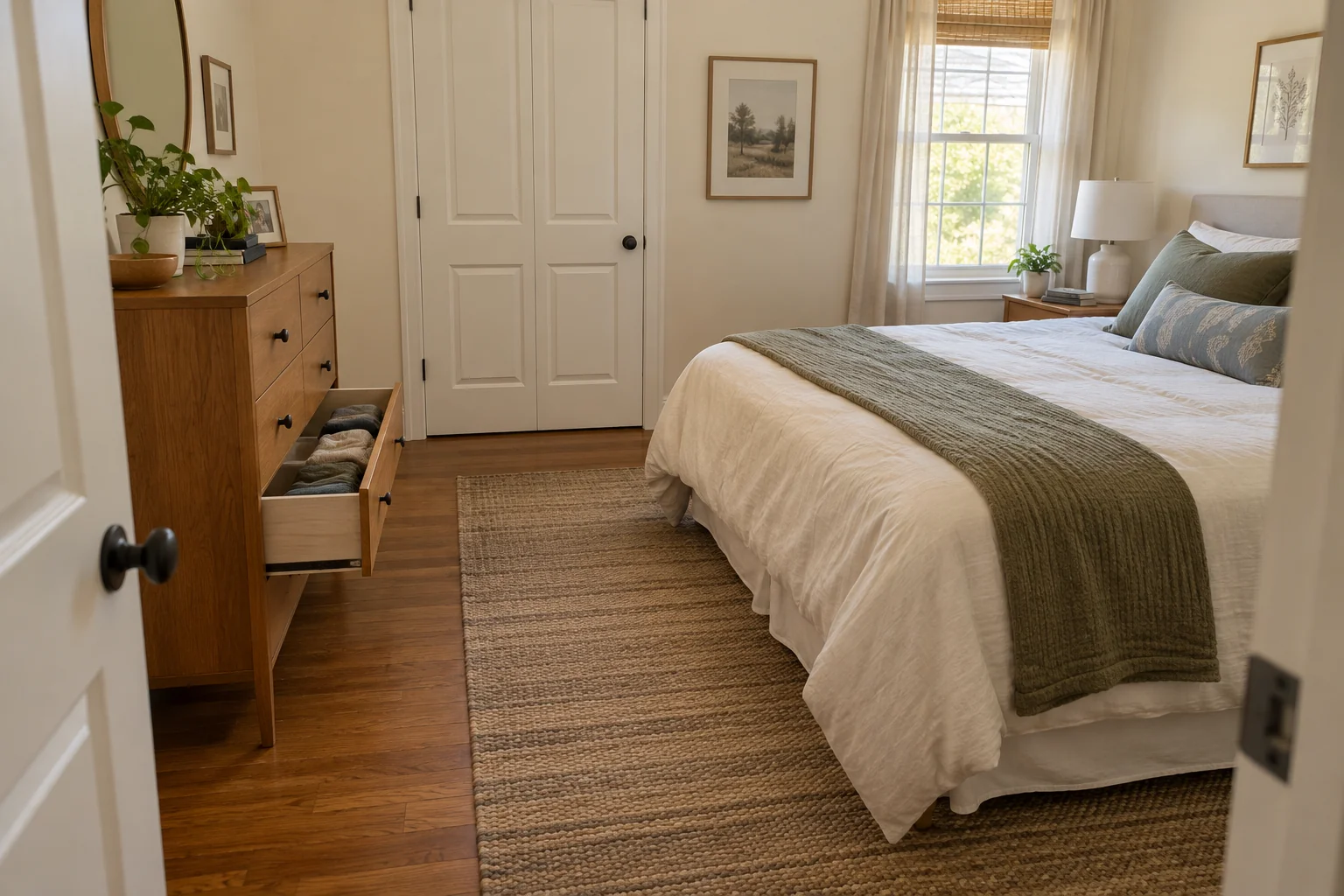
Find a place for an existing dresser in a small bedroom. Check open drawers, bed access, closet doors, and the space needed to use each layout.
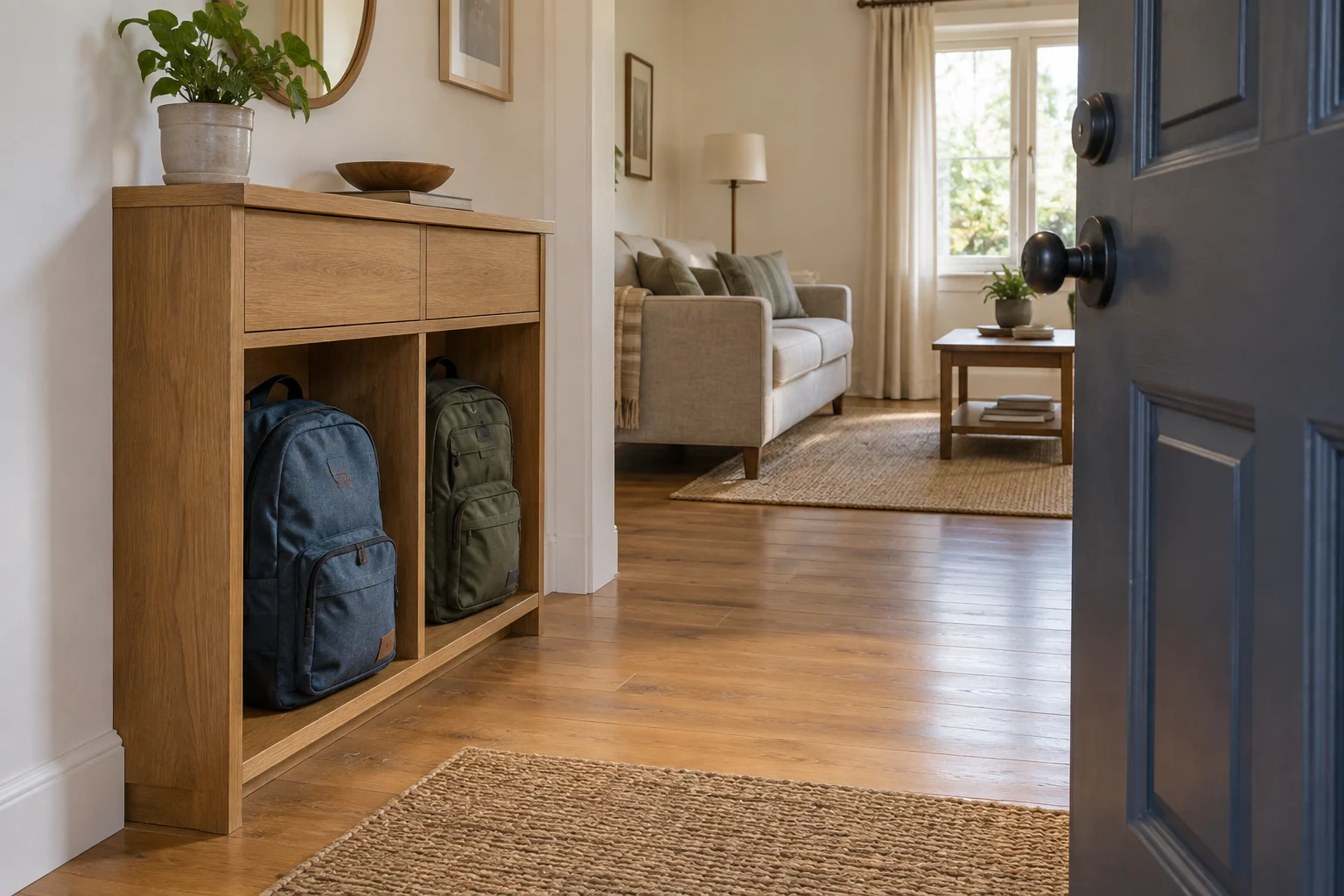
Find a place for school backpacks without a mudroom. Compare hooks, shelves, baskets, and existing cabinets by loaded-bag fit and everyday access.
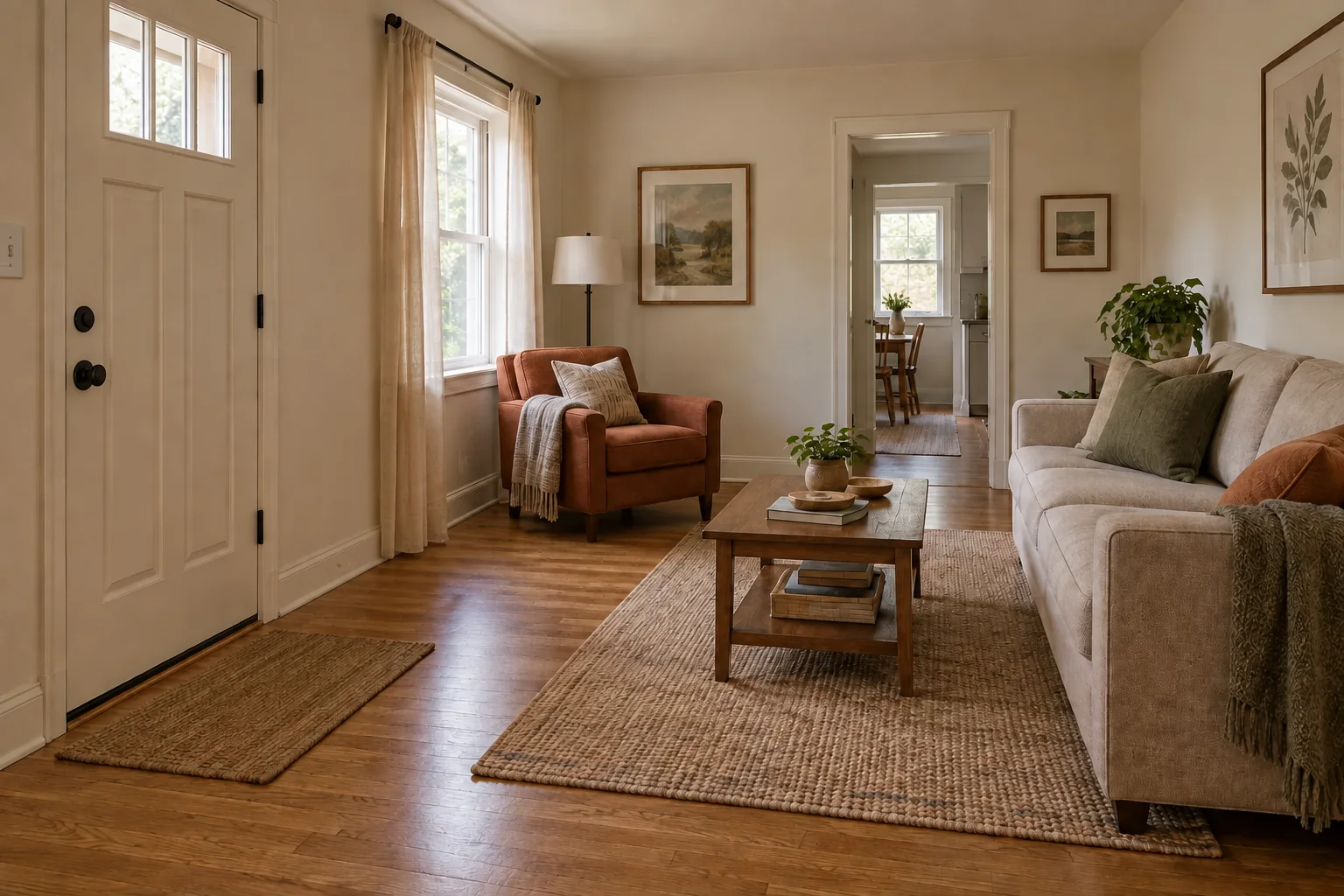
Front door opens into the living room? Place the sofa around the walking route, then decide whether an entry zone helps or the room works better open.
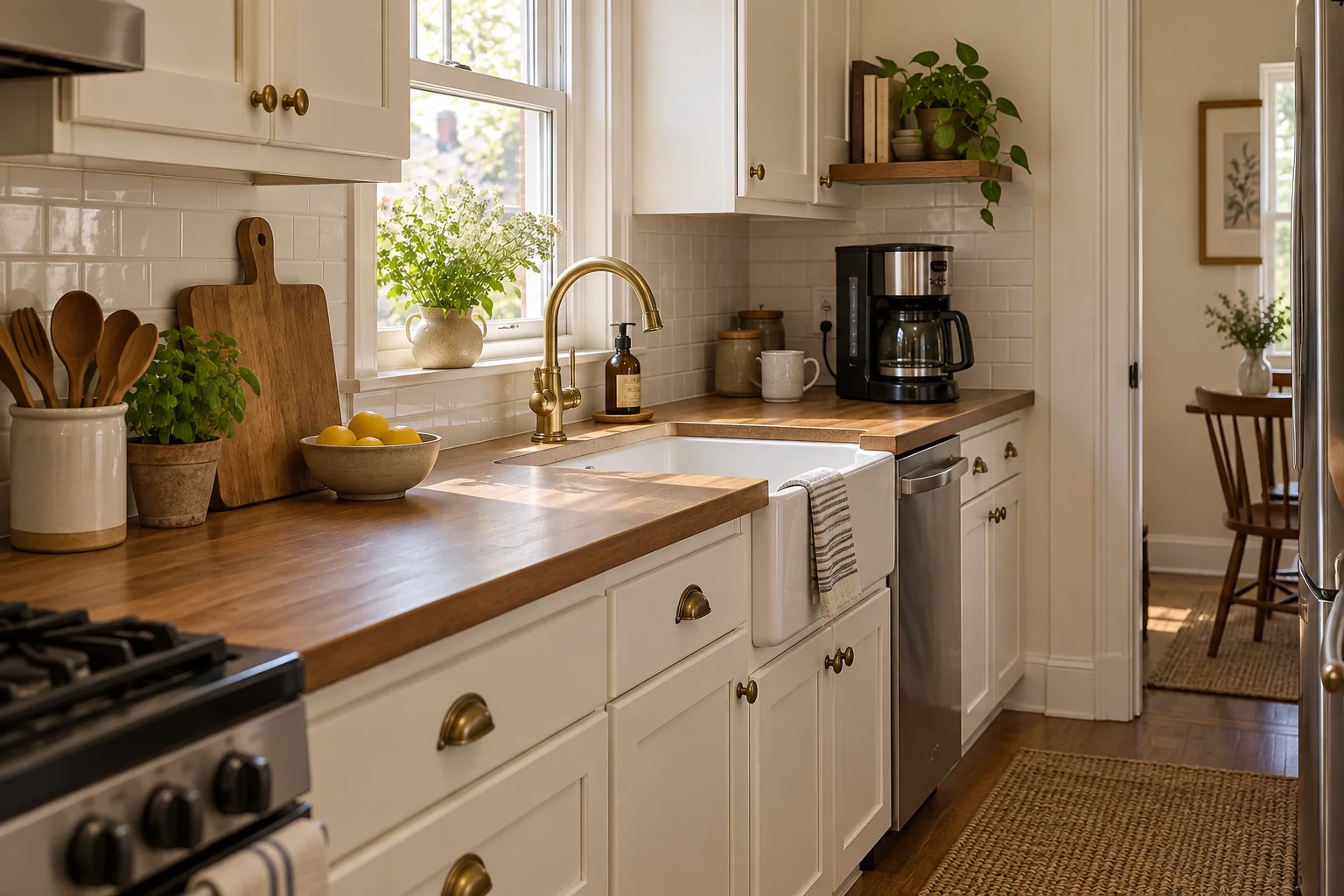
Compare counter, stored, pull-forward, and nearby coffee-maker setups while protecting prep space, cabinet access, and the daily fill-and-clean routine.
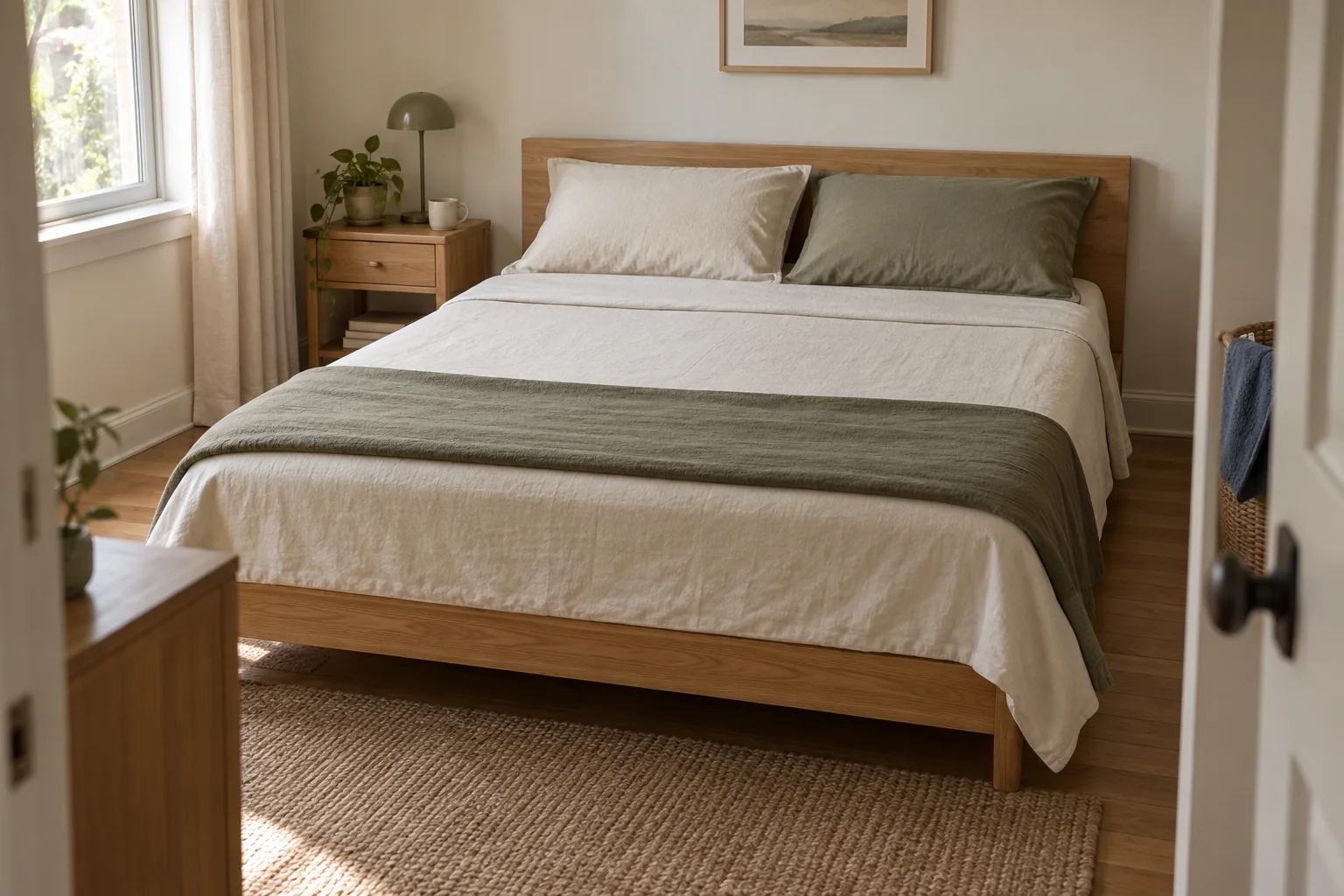
Make a bed look finished without a duvet or comforter by arranging the sheets, thin blankets, empty duvet cover, or separate covers you actually sleep with.
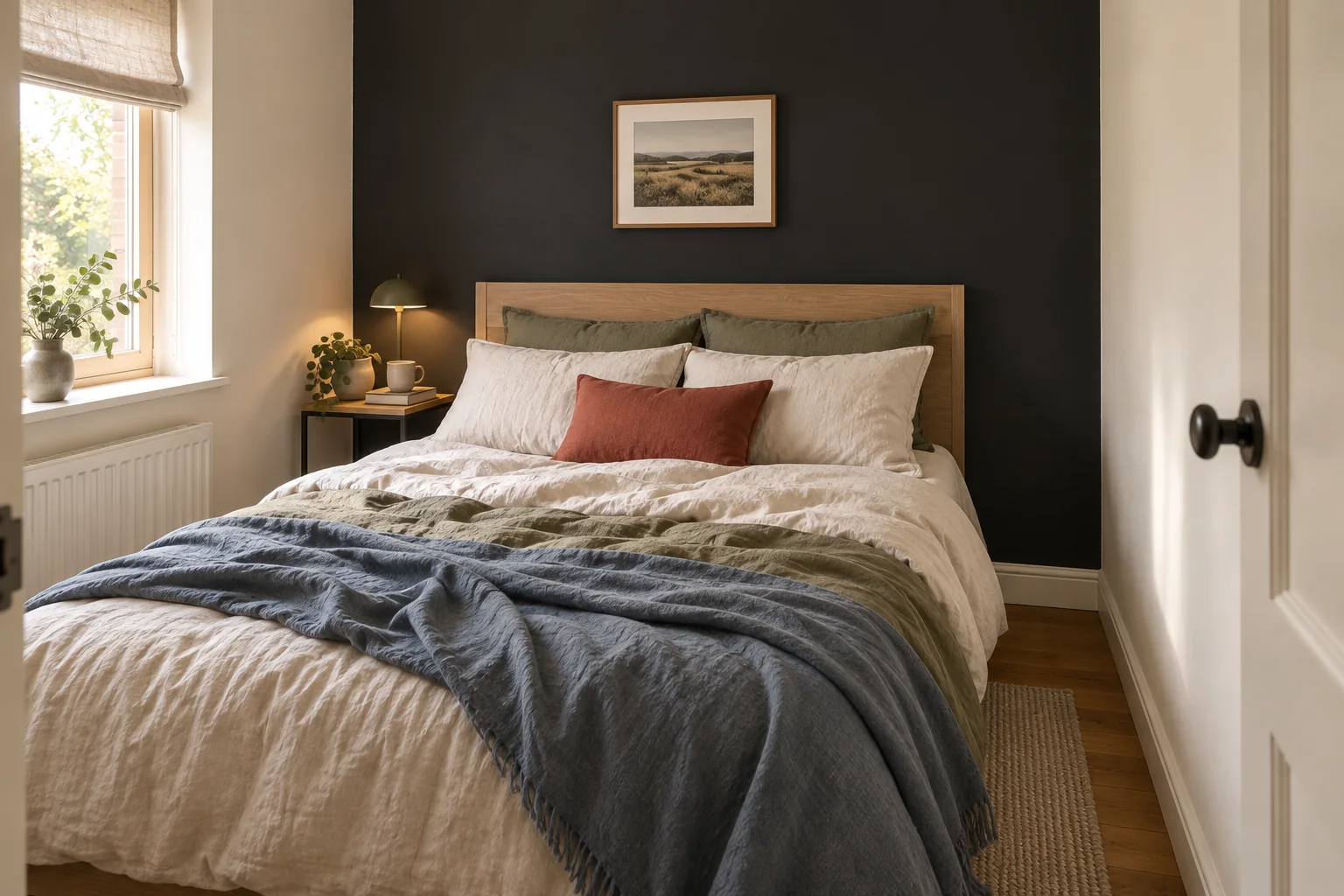
Decide whether a black accent wall suits a small bedroom by testing the color with the bed, trim, light, and fixed finishes before painting.
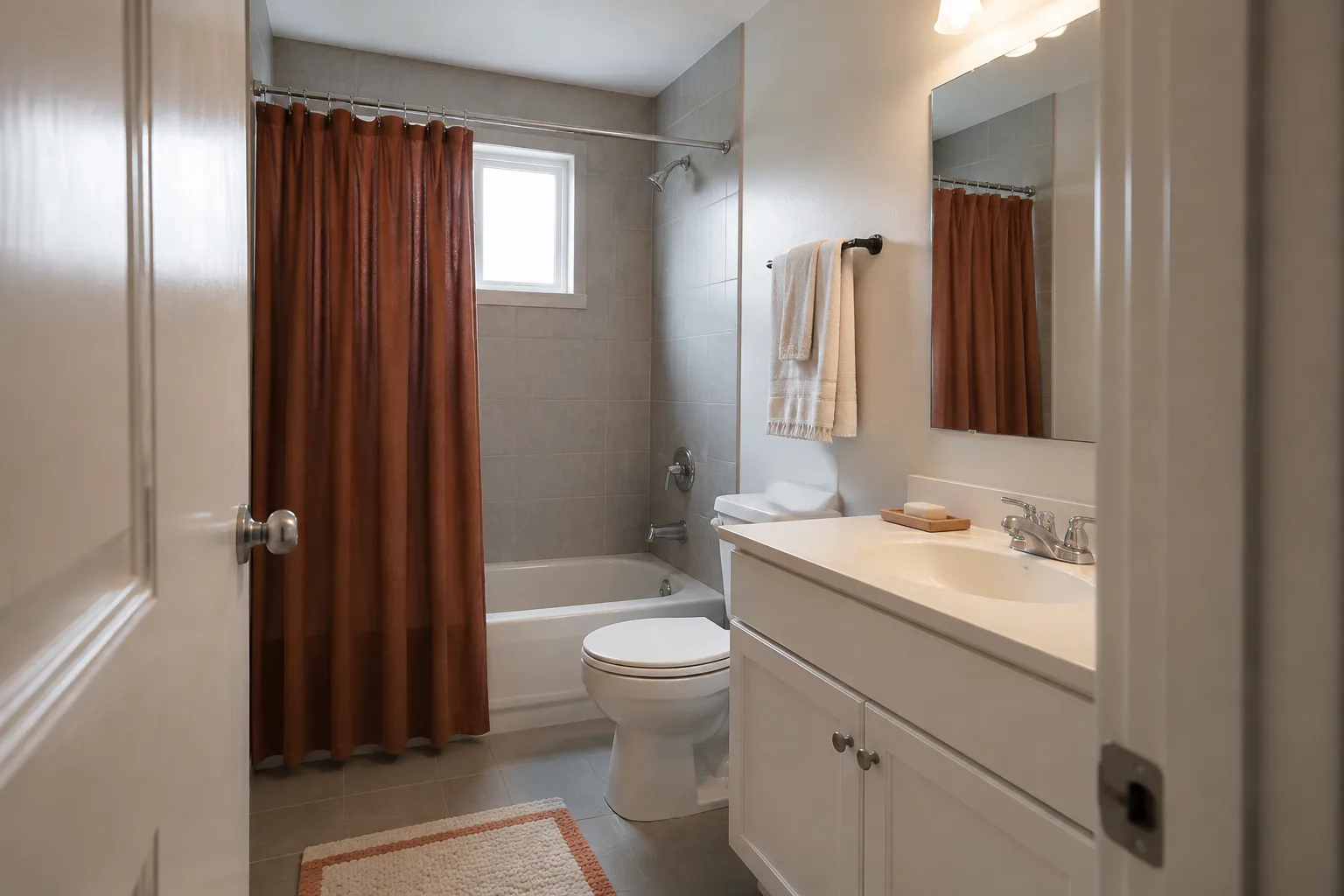
Warm up a cold gray rental bathroom by reading the fixed finishes, testing one bridge color, and repeating it through removable textiles.
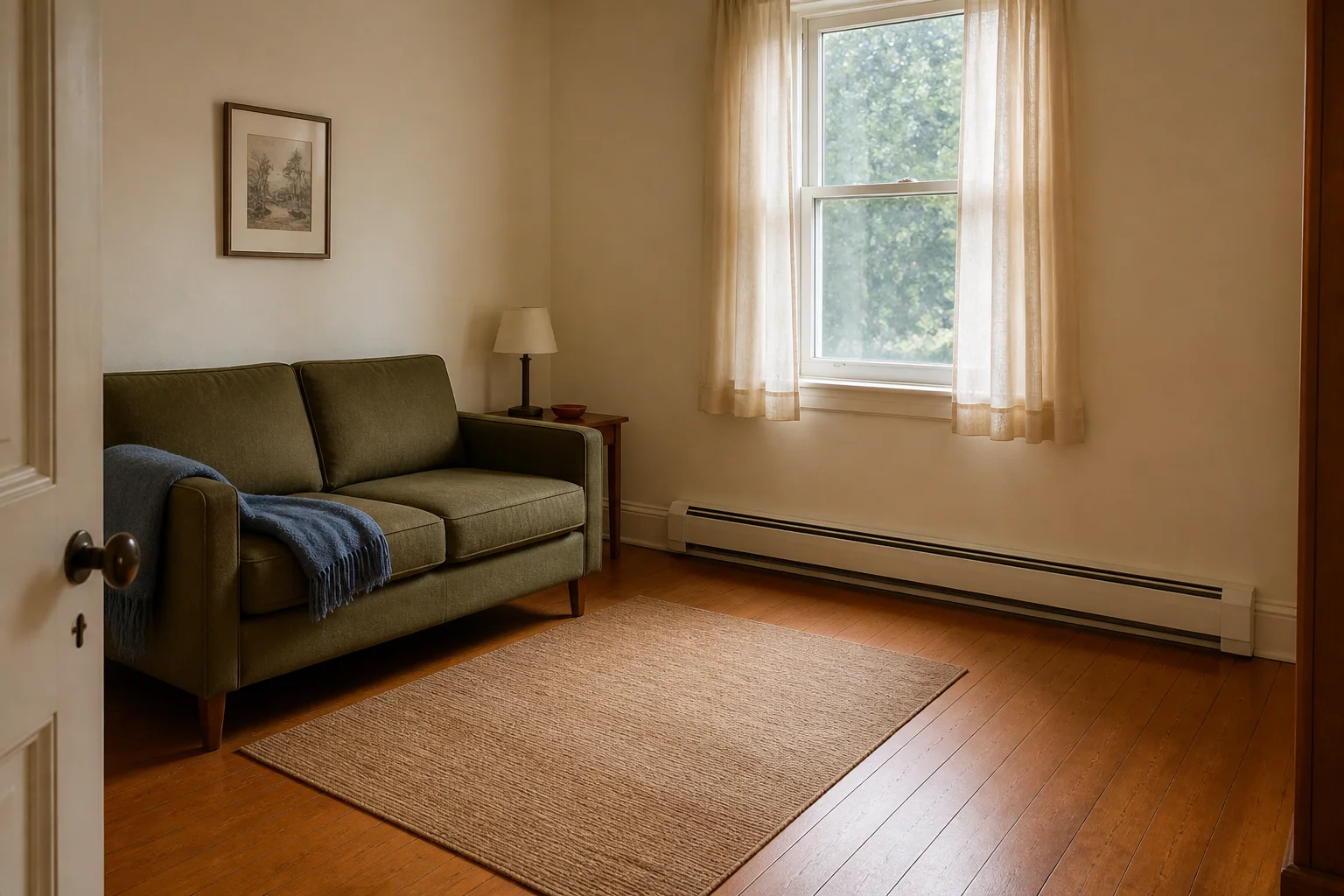
Arrange a small room around baseboard heaters by checking the exact unit's clearance instructions, mapping the usable floor, and placing the bed or sofa first.
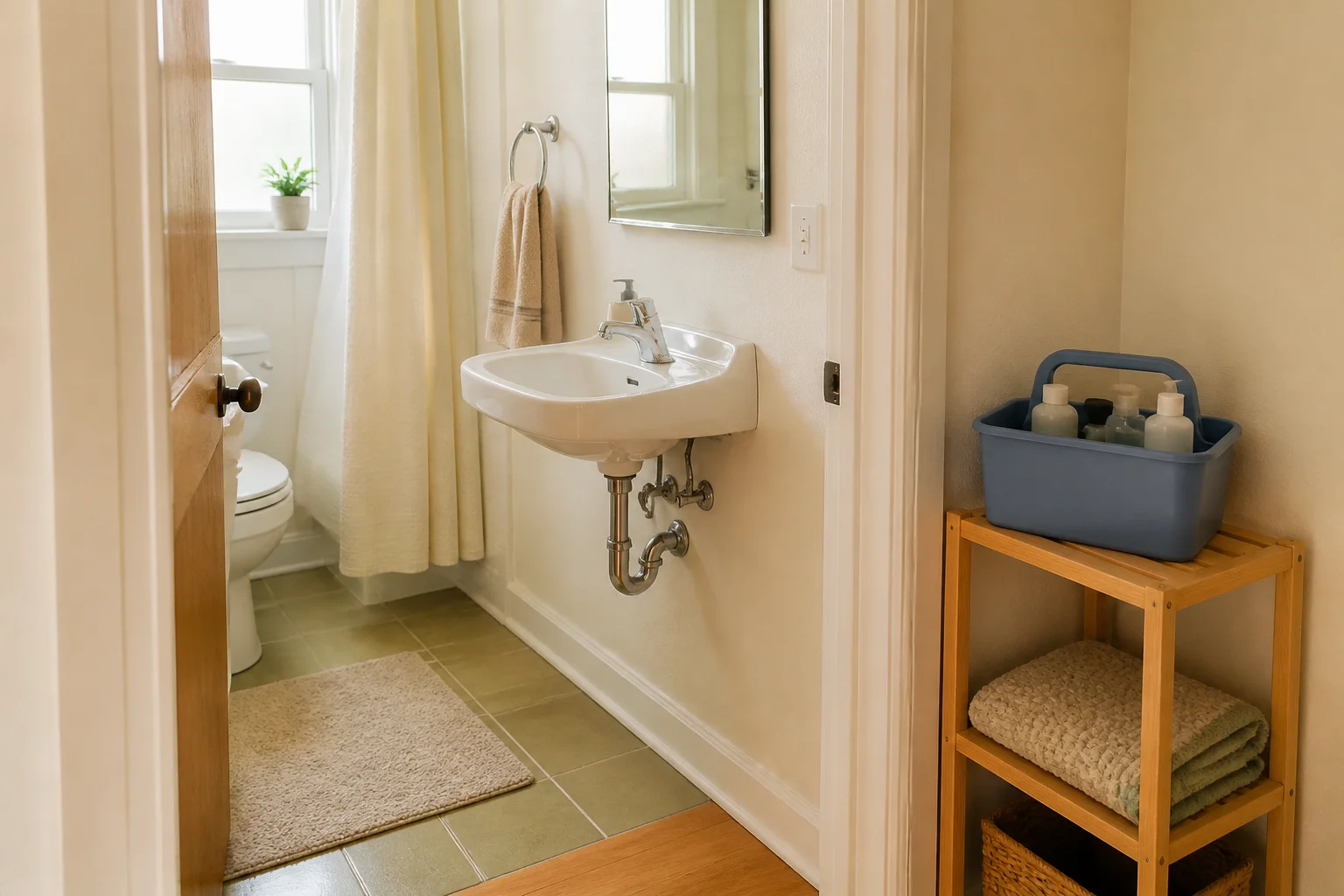
Keep daily toiletries accessible in a bathroom with no counter space by protecting the sink area and giving the active routine a nearby storage home.
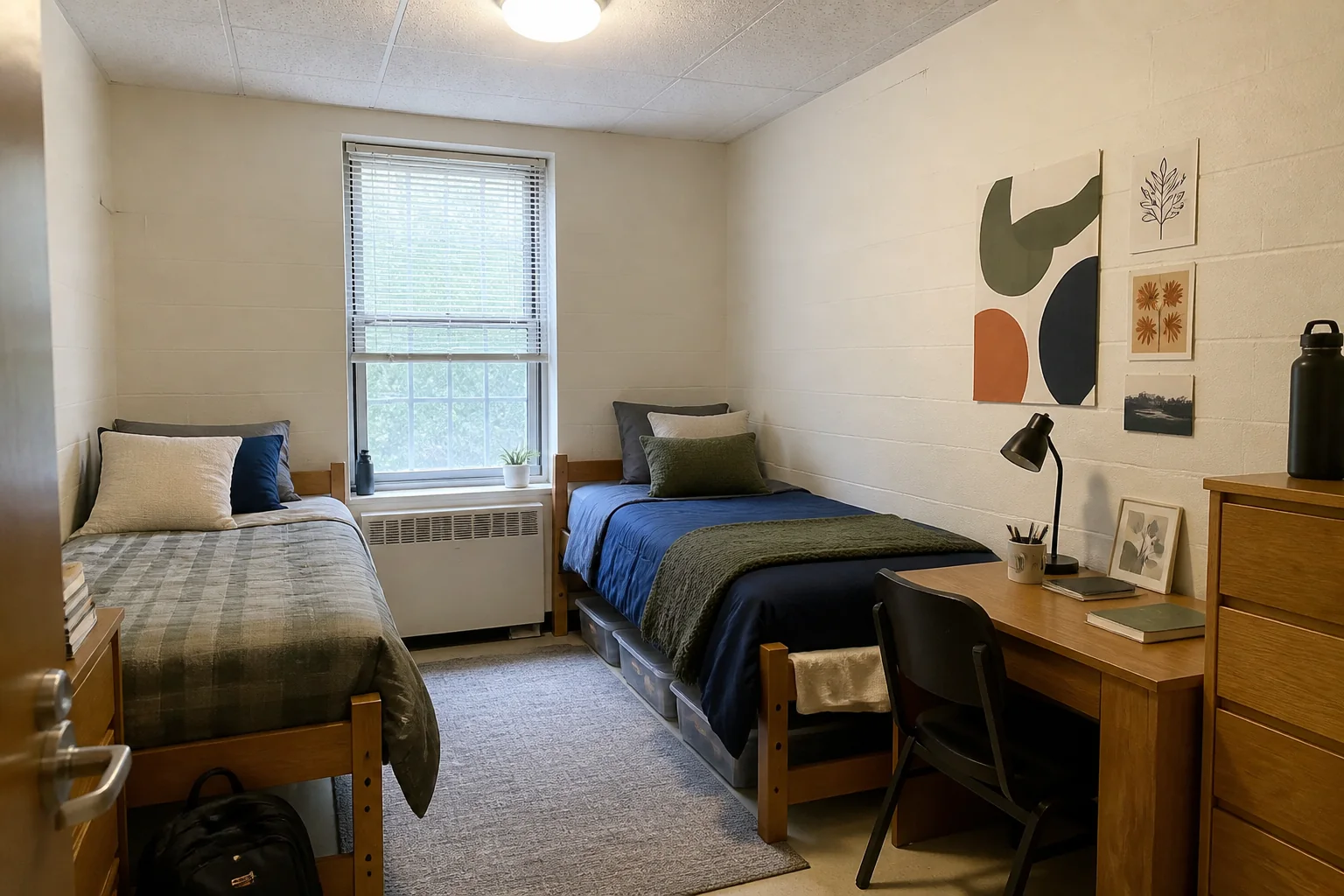
Decorate dorm bedroom walls by checking housing rules, matching the hanging method to the surface, and using wall-free displays when paint is uncertain.
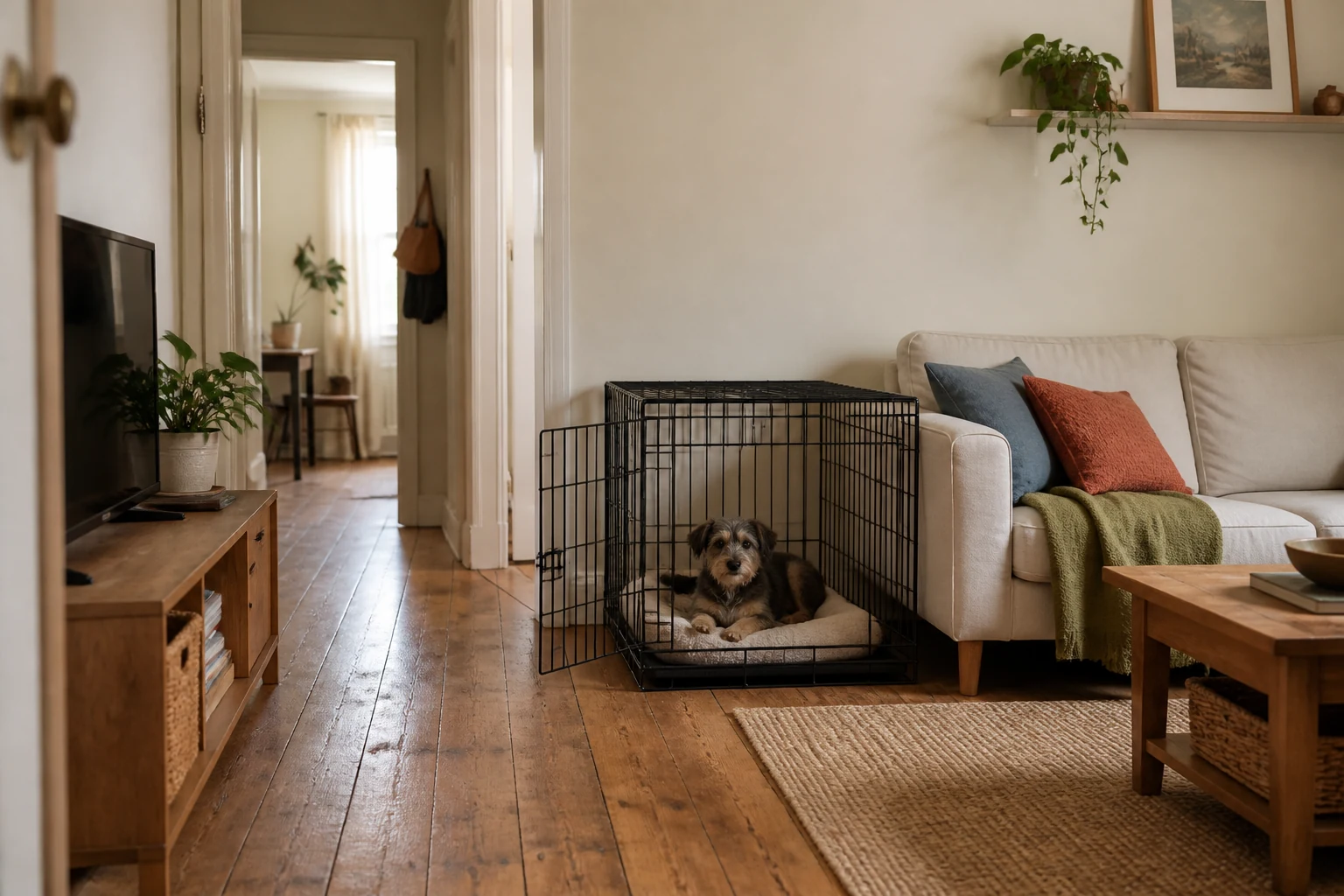
Find a dog-crate position that keeps a small living room usable, supports the dog's routine, and leaves room to walk and clean.
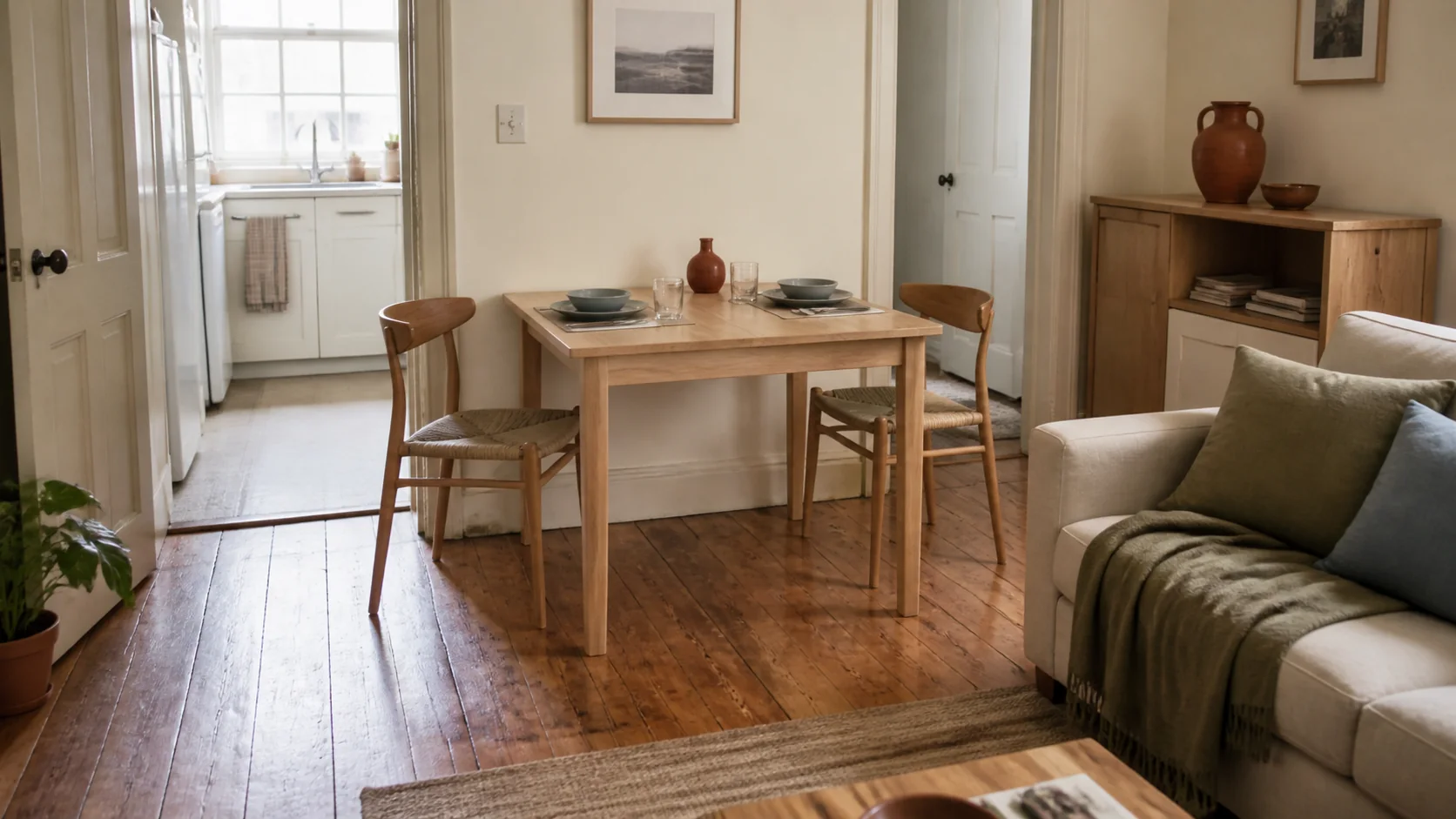
Create a comfortable everyday place to eat without blocking doors, walking routes, or the rest of a small apartment.
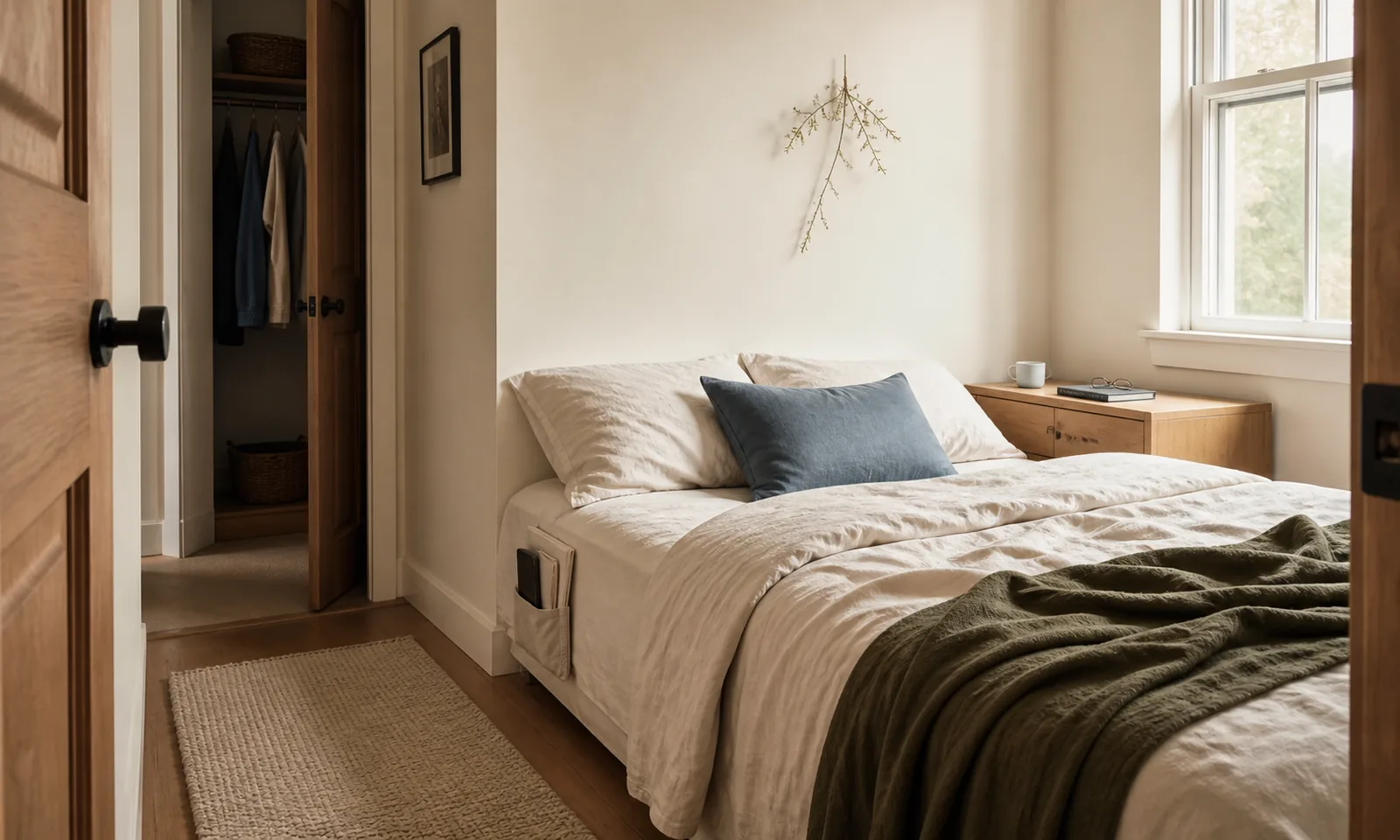
Find a bedside setup that keeps nighttime essentials within reach without blocking doors, drawers, storage, or the route beside the bed.
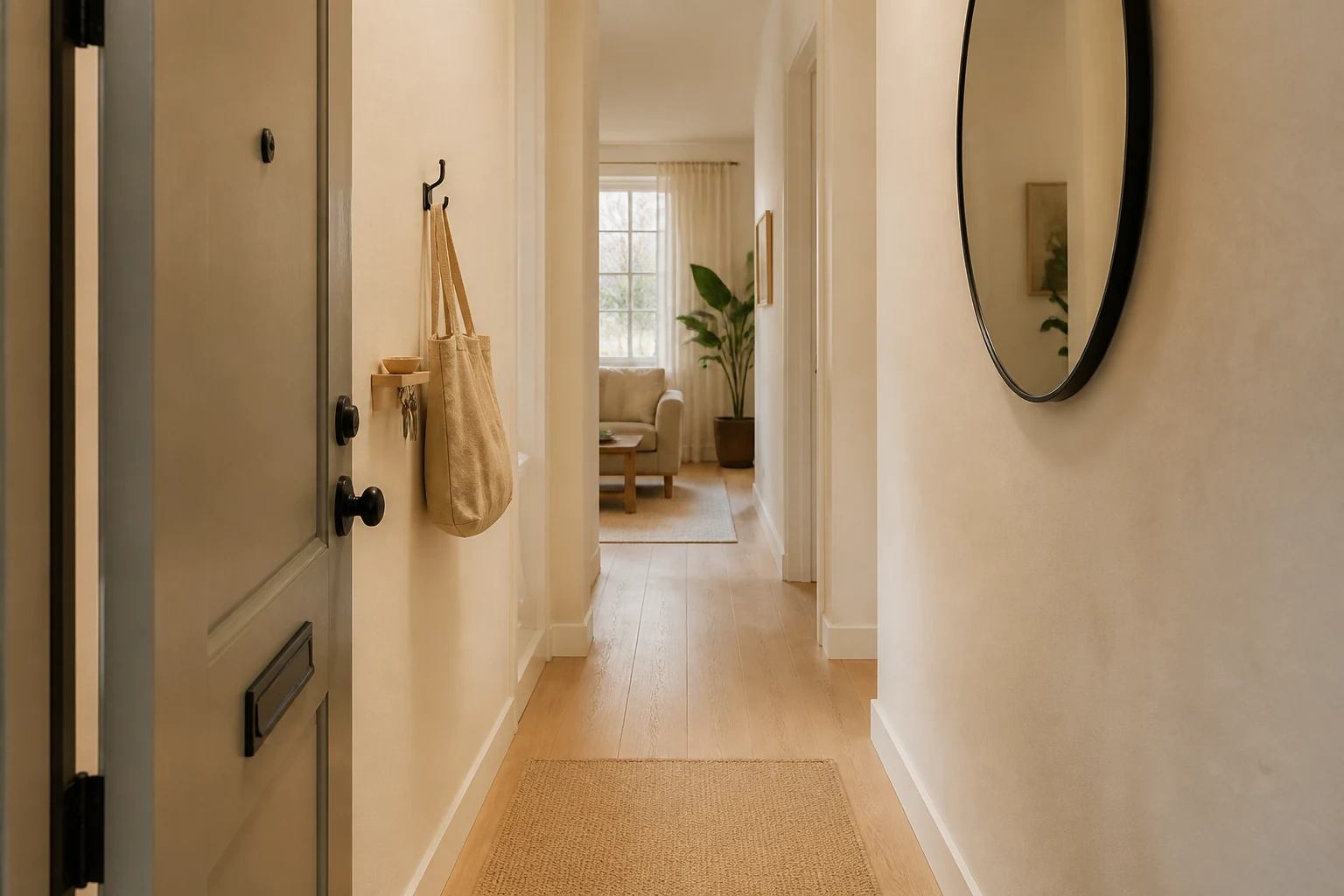
Keep the walking path clear while adding a useful landing spot, storage, light, and a sense of arrival.
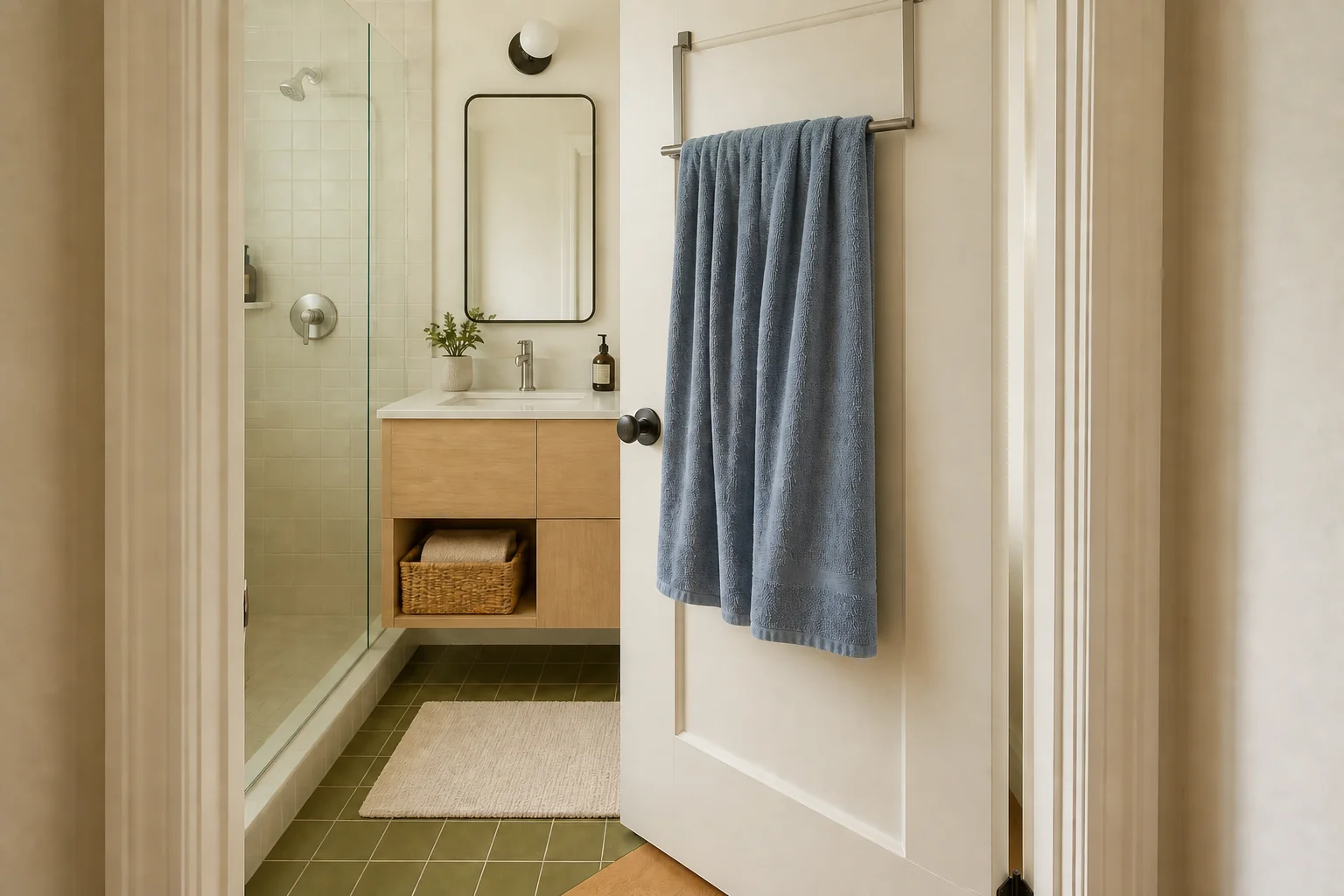
Find a practical place for wet towels to dry in a small bathroom without crowding the walls, door, floor, or clean-towel storage.
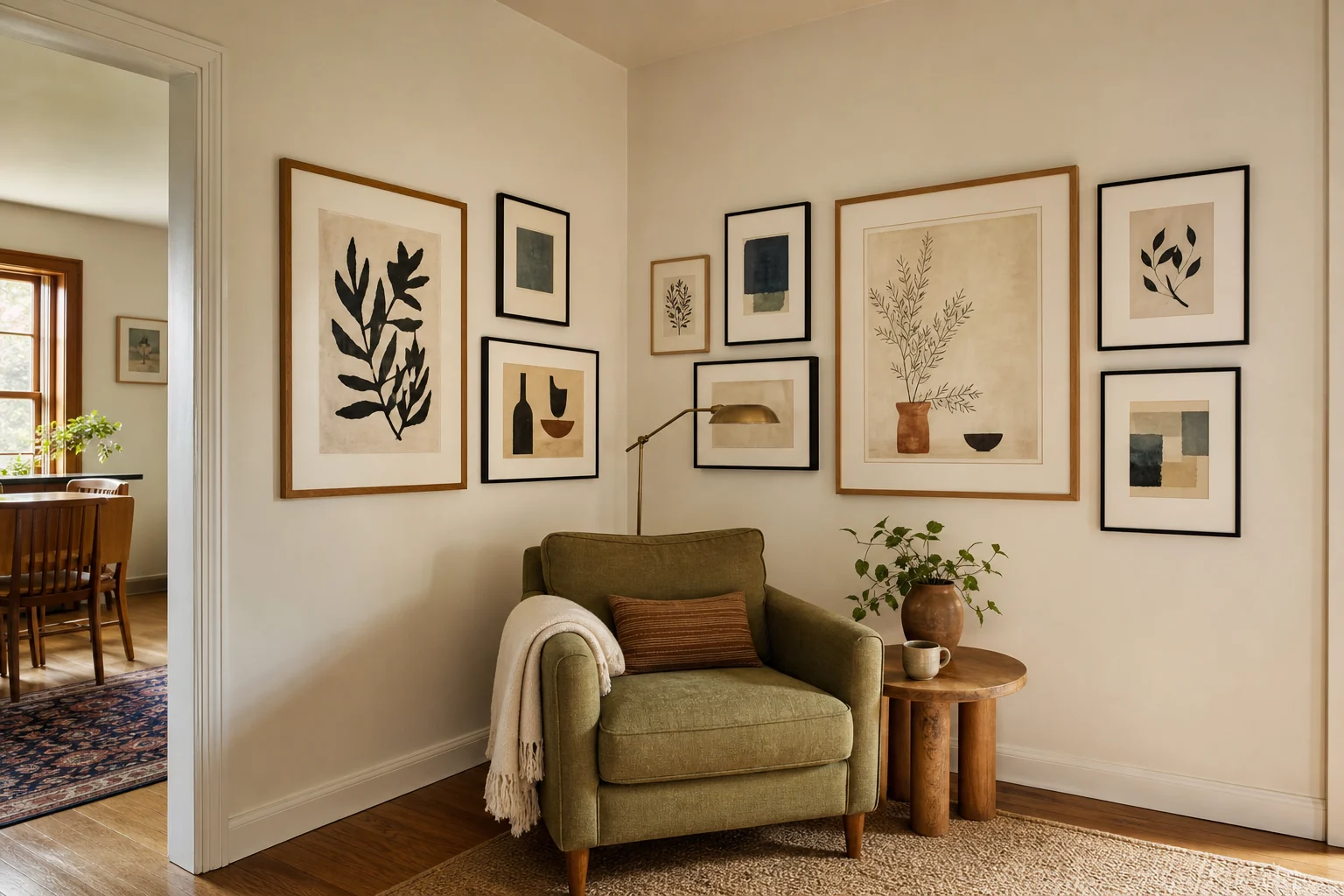
Plan a gallery wall across two adjoining walls by mapping the full boundary, testing frame sizes, and choosing a system that suits the room.